
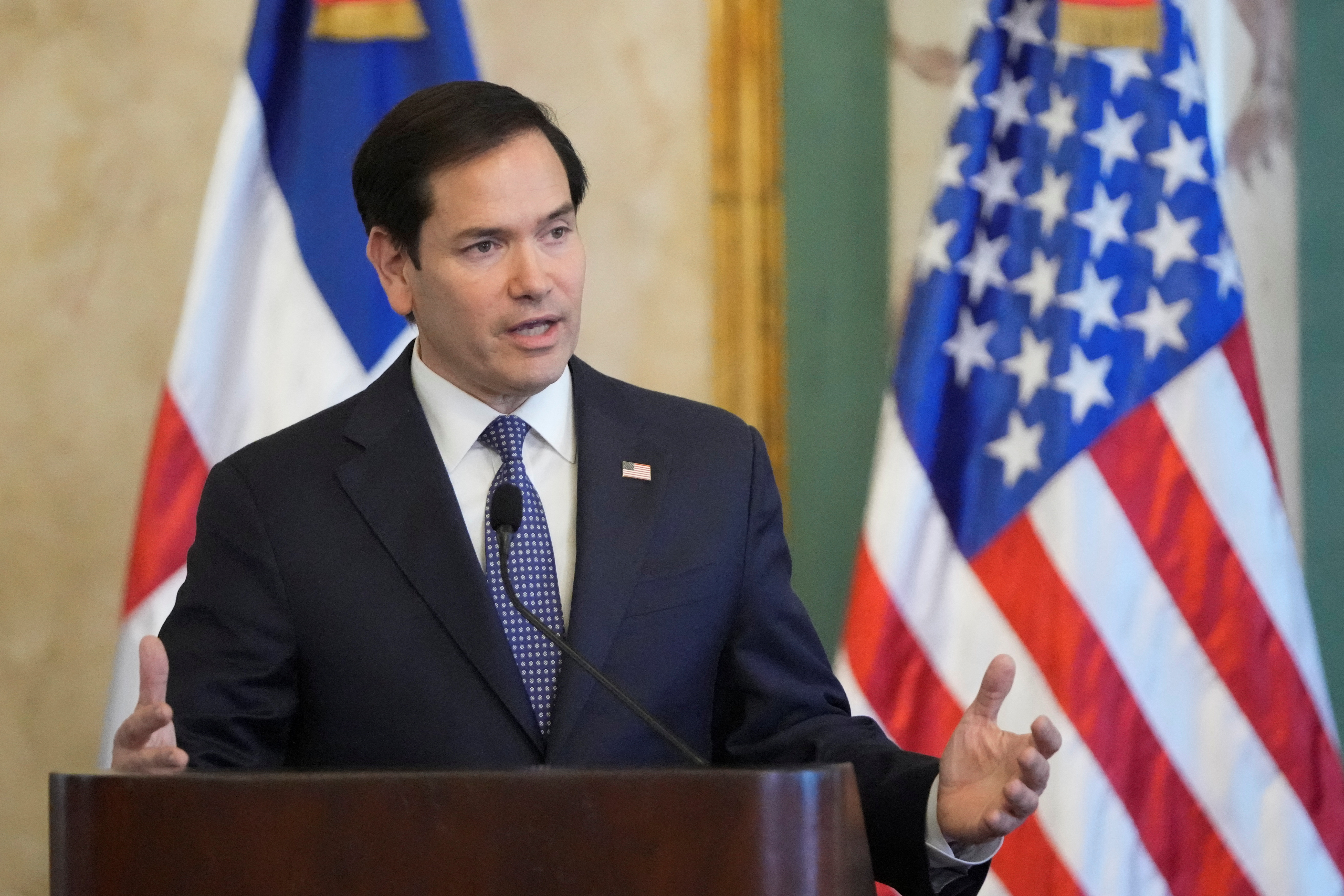
Rubio’s visit to Iceland marks the beginning of a three-nation tour of NATO allies, underscoring the region’s shift from a quiet maritime corridor to a high-stakes theater of global competition. While the U.S. ended its permanent military presence at Keflavik in 2006, the Secretary of State suggested that the current geopolitical climate necessitates a more robust posture. He emphasized that the U.S. is open to expanding surveillance and domain awareness cooperation with Icelandic authorities, noting that Iceland’s unique infrastructure remains a linchpin for the defense of both North America and Europe.
Beyond conventional military concerns, Rubio highlighted "gray zone" risks, including potential sabotage of undersea cables and vulnerabilities in critical commercial shipping lanes. Although he did not commit to a new permanent base, his rhetoric signaled a departure from the post-Cold War status quo. Experts like Erlingur Erlingsson of the University of Iceland suggest that while Reykjavik welcomes this heightened allied awareness, the challenge remains balancing these strategic requirements with the broader demands of NATO’s eastern flank. As the U.S. strengthens its defense network through new agreements with Greenland and Denmark, Iceland’s role in facilitating regional deterrence is poised to become a central focus of trans-Atlantic security policy.
Comments (0)
No comments yet. Be the first!