
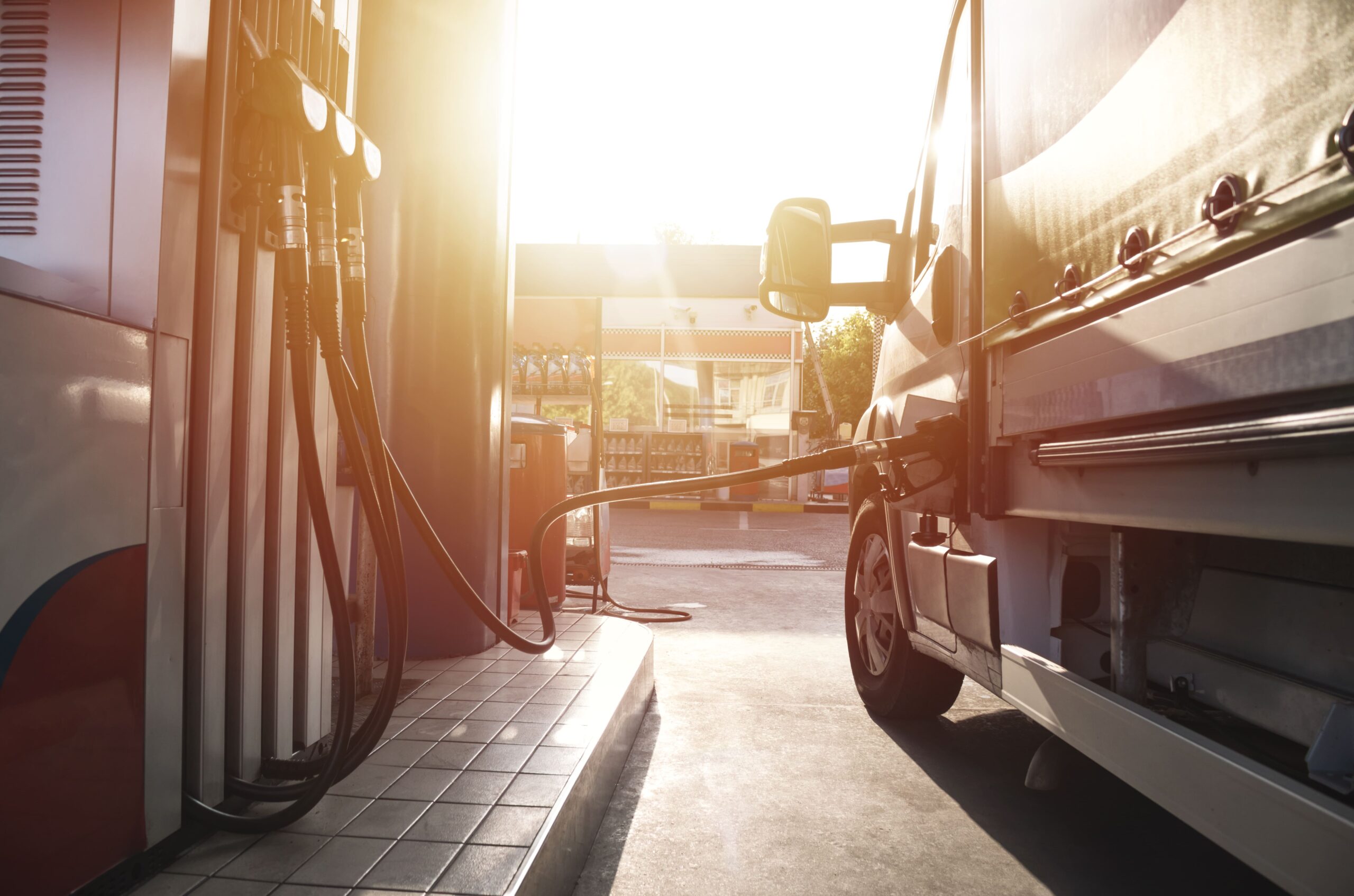
The European Union is caught in a deepening energy trap. While gasoline prices have climbed 29% this year, diesel costs have surged by 40%, reflecting the continent's reliance on a fuel essential for freight, agriculture, and heavy industry. According to data from Vortexa, September diesel imports hit record lows at just 1 million barrels per day, a decline of 600,000 barrels daily compared to the same period in 2025. With cargo volumes currently 25% below previous levels, relief remains elusive.
Domestic production offers little shelter. European refineries are struggling with the fallout of delayed maintenance and unplanned outages, which cut output by 600,000 barrels daily last month. This fragility is the result of long-term policy choices; decades of tax incentives created a vehicle fleet heavily skewed toward diesel, while environmental regulations have led to the closure of 30% of the bloc's refining capacity since 2009. Bruegel analyst Georg Zachmann notes that the EU is structurally short on diesel, forcing a reliance on external suppliers like the United States.
With sanctions on Russian energy and China withdrawing from the global market, the U.S. remains the only major supplier. Given the lack of alternative sources and the slow recovery of fuel flows from the Persian Gulf, European nations now face the inevitable: depleting strategic reserves. France and Germany hold roughly 35% of the EU’s 39 million tons of stored diesel, and their willingness to tap these stocks is now a matter of economic survival rather than policy preference.
Comments (0)
No comments yet. Be the first!