
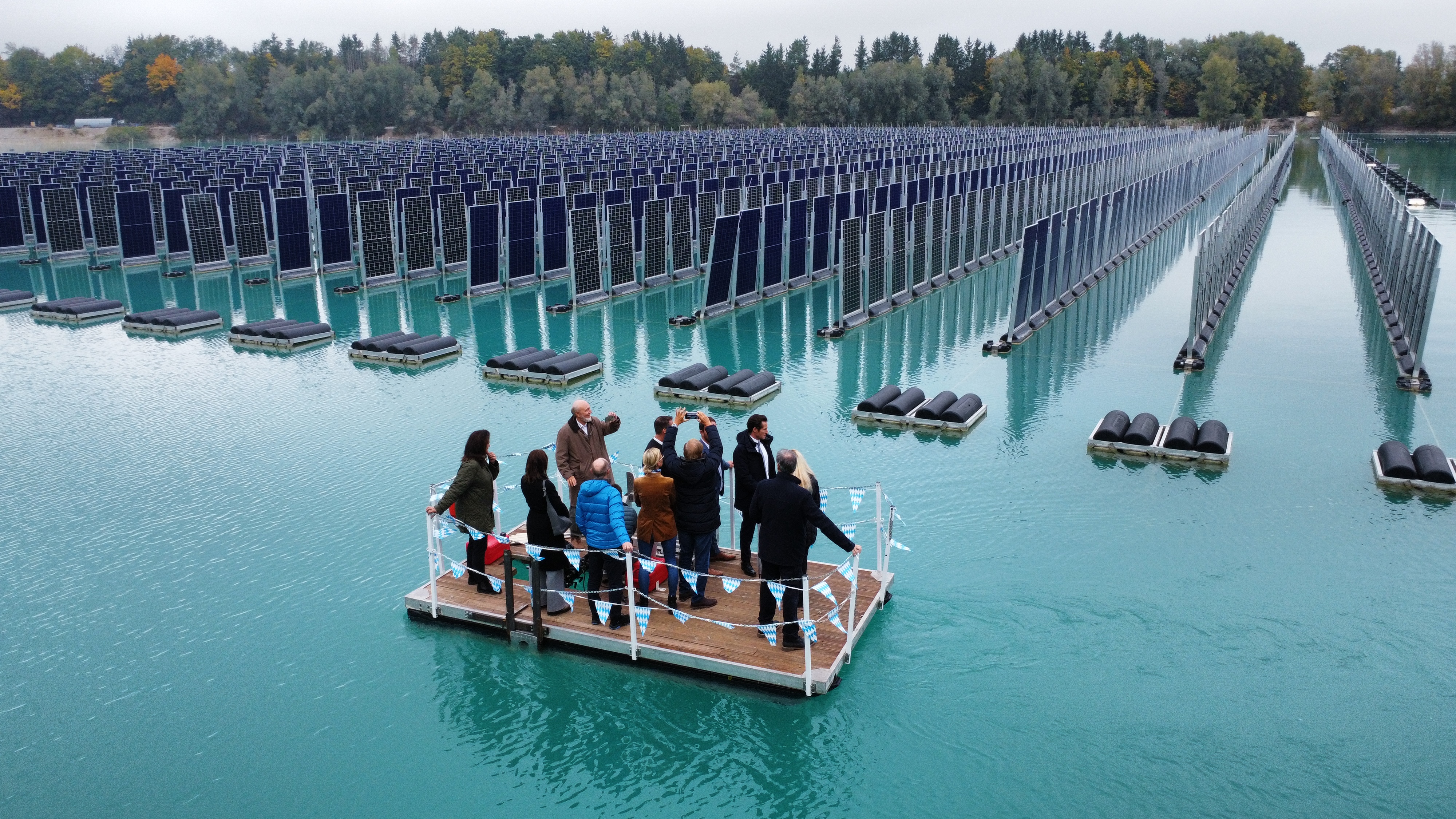
The drive for energy independence has pushed developers to reconsider the ocean as a viable site for power generation. Unlike traditional land-intensive farms, floating platforms utilize the natural cooling properties of water to boost efficiency, particularly for solar photovoltaics. These installations range from transportable ship-based generators to fixed buoy systems and wave-energy converters, offering a versatile toolkit for both urban centers and remote outposts.
Countries like Russia have already deployed floating nuclear technology to power isolated Siberian settlements since 2019, while research in Taiwan highlights the strategic value of marine-based renewables for regions with limited territory. In the United States, researchers at the University of Michigan are currently testing wave-energy prototypes on Lake Michigan’s Beaver Island to provide local, off-grid electricity. By decentralizing supply chains and reducing dependence on mainland infrastructure, these floating systems offer a resilient alternative to conventional power grids during periods of geopolitical volatility and climate-driven instability.
Comments (0)
No comments yet. Be the first!