
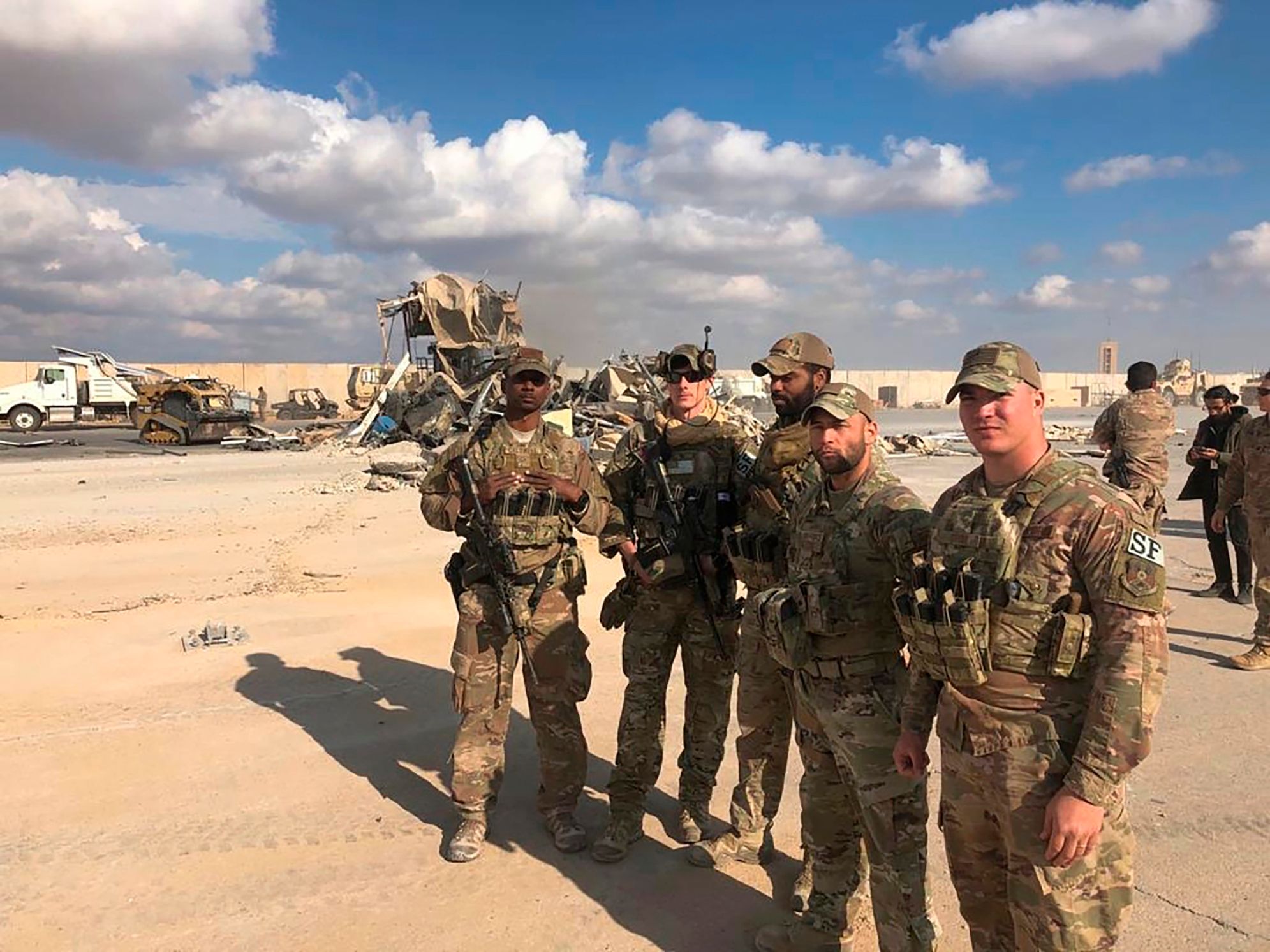
The American exit strips Iraqi security forces of critical assets, including aerial surveillance, reconnaissance, and intelligence sharing on militant movements. Kurdish commanders report a significant loss of logistical support and drones, while the removal of air defense systems around Erbil leaves the region vulnerable to the Iranian missile and drone strikes that have persisted for months. Washington intends to maintain training and intelligence cooperation remotely, but the physical military presence that previously acted as a stabilizing force is gone.
Baghdad’s plan to leverage the U.S. departure as a catalyst for disarming militias has faltered. Officials had initially linked the September 30 withdrawal to a strict deadline for bringing all armed factions under state control. That timeline has now been deferred to June 30, 2027, as several factions resist integration. The delay underscores the challenge for the Iraqi government, which now faces a security vacuum where pro-Iranian groups dictate terms rather than state authorities.
Comments (0)
No comments yet. Be the first!