
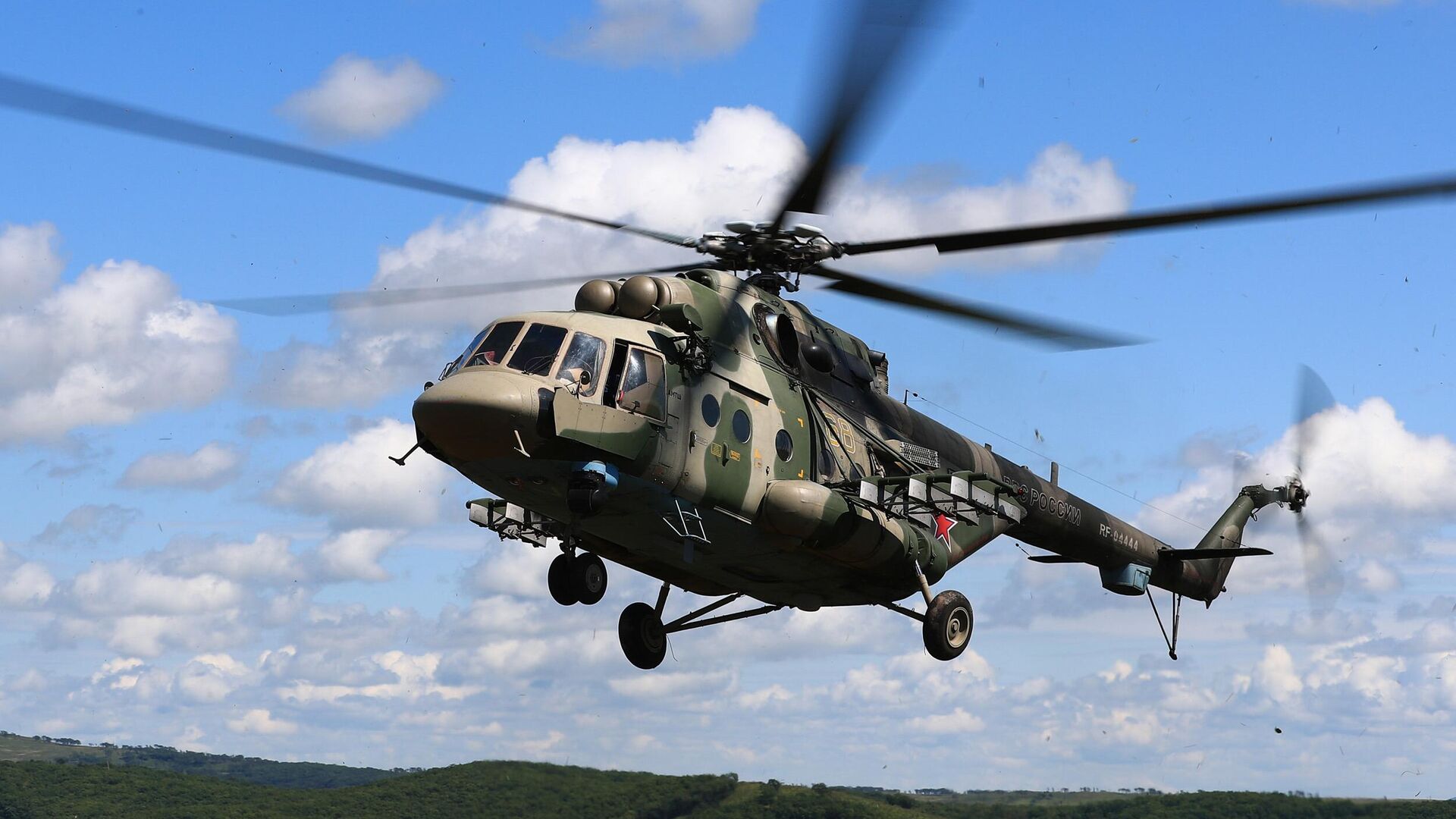
The incident in Poland, alongside over 140 documented drone incursions since 2024, highlights a persistent strategy: forcing NATO to navigate a space between peace and armed aggression. Secretary General Mark Rutte advocates for "deliberate ambiguity" regarding when Article 5 is triggered, arguing that keeping the Kremlin guessing remains a vital deterrent. Yet, this approach leaves individual allies exposed. Polish Prime Minister Donald Tusk has expressed concern that such hesitation could cast doubt on the practicality of security guarantees, especially as political shifts in Washington create uncertainty about future U.S. commitment to the alliance.
Defense analysts argue that the current pace of Russian operations, increasingly carried out by low-cost, amateur networks, far outstrips the evidentiary requirements of democratic states. While NATO’s top commander, Gen. Alexus Grynkewich, has pushed for public attribution to impose costs on perpetrators, member states remain divided on the risks of escalation. Meanwhile, a leaked report from the European Defence Agency reveals that despite increased spending, the alliance is not on track to be fully "defense ready" by 2030. As the European Union moves to bolster security through an proposed European Security Council, the core problem remains: deterrence is only as effective as the military strength and political resolve standing behind it.
Comments (0)
No comments yet. Be the first!