
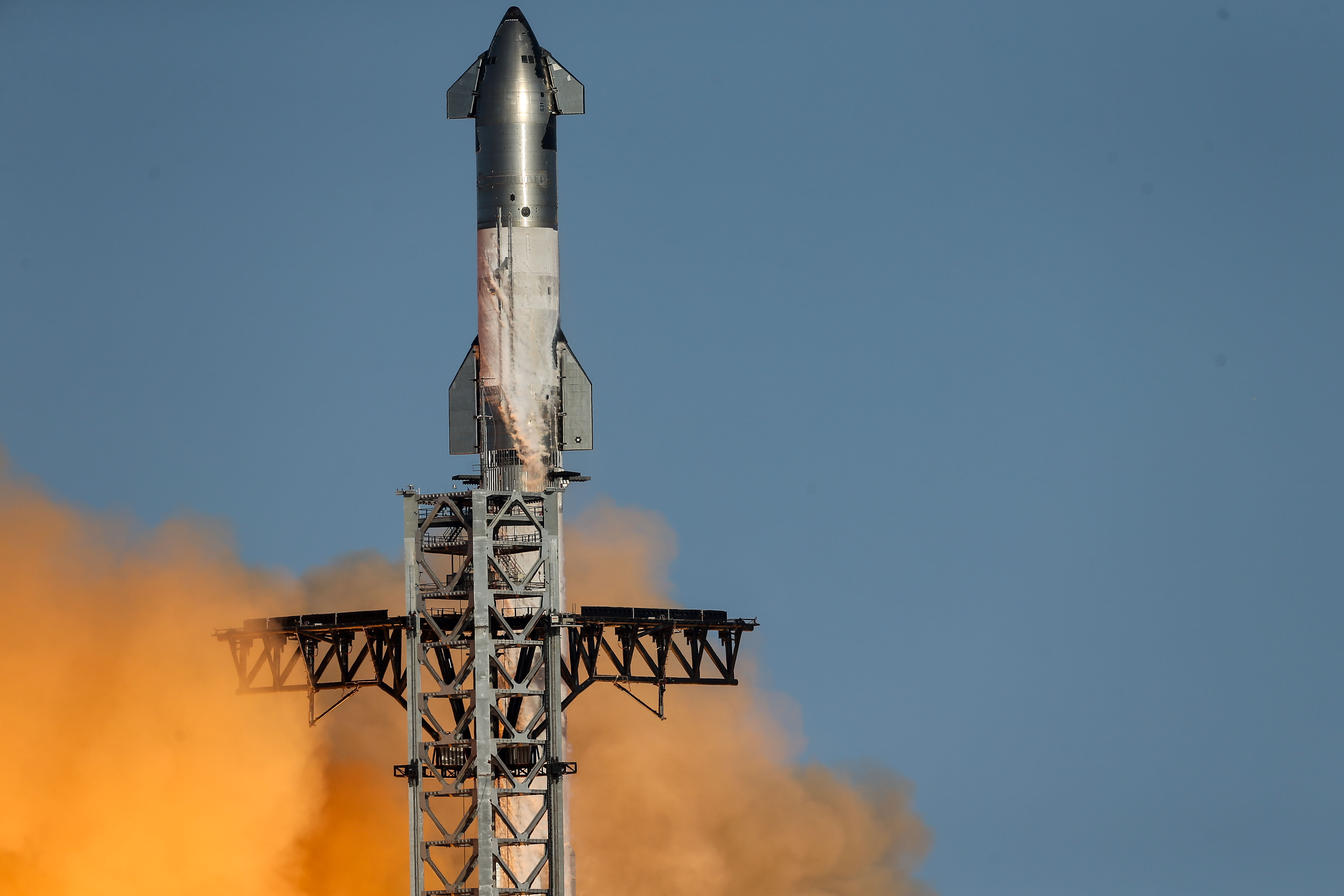
The flight trajectory over the Gulf of Mexico saw the Super Heavy booster ignite all 33 engines before separating from the upper stage. While initial reports suggested the mission might fall short due to the loss of one of the six upper-stage engines, SpaceX spokesperson Dan Huot confirmed 22 minutes later that the craft maintained the 17,500 miles per hour required for orbit. This success follows 13 previous attempts since 2023, representing a milestone in a program that has consumed over $15 billion.
Hardware testing remains a priority. The booster skipped its signature tower-catch maneuver to simulate a Gulf splashdown, while the main vehicle is scheduled for six orbits over 10 hours. During this period, three Starlink satellites equipped with cameras will monitor the heat shield’s integrity. Looking ahead, SpaceX faces significant infrastructure hurdles. Musk noted that power-equipment shortages, specifically gas turbines sold out through 2030, are forcing the company to manufacture its own turbine blades at a new facility in Bastrop. These logistical constraints come as the company prepares for an ambitious $100 billion expansion in Louisiana and the critical Artemis III mission, where Starship will serve as NASA's human landing system.
Comments (0)
No comments yet. Be the first!