
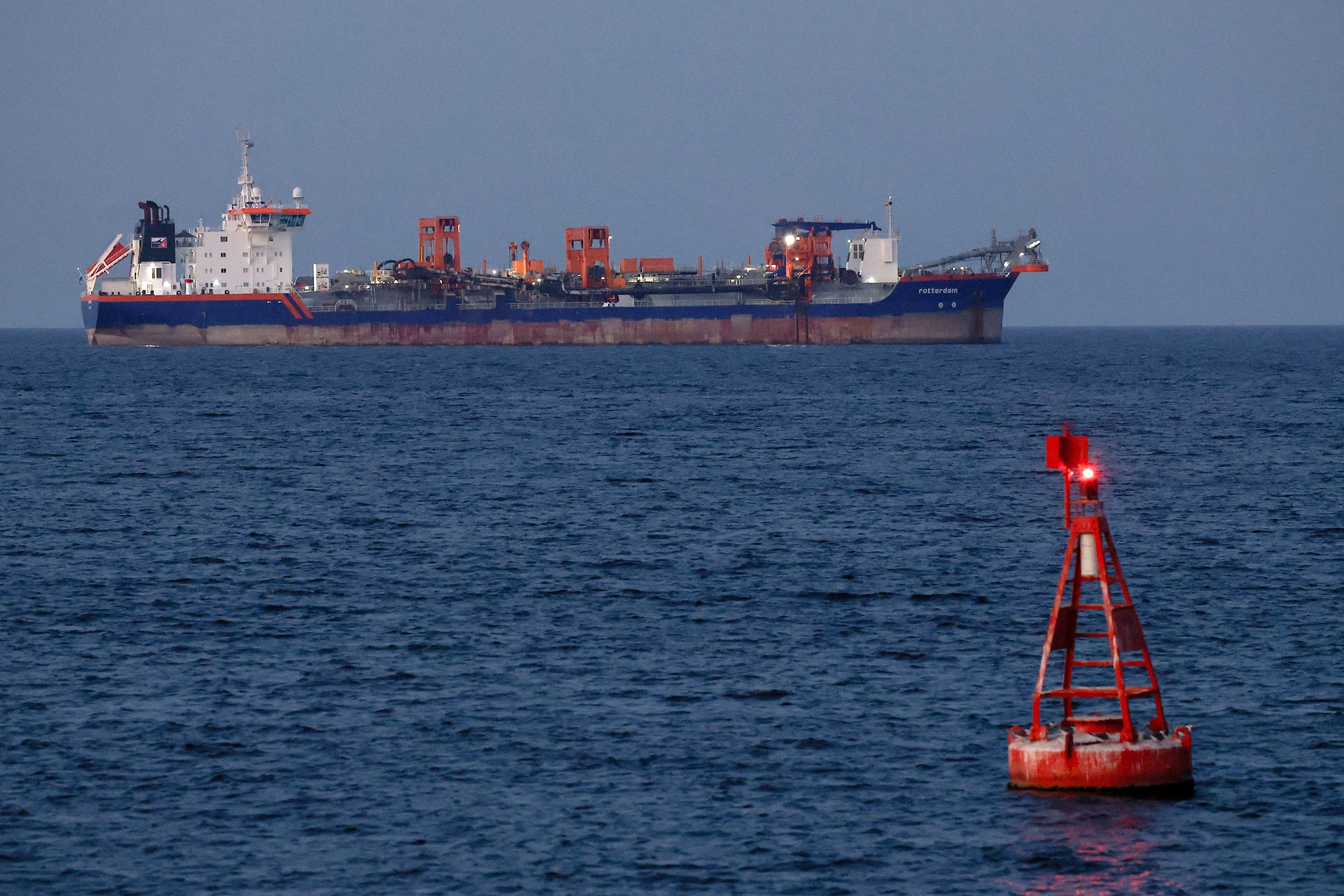
The current diplomatic push involves a delicate balancing act. Iran has signaled flexibility regarding the controversial shipping tolls, potentially moving them to a separate annex to prevent a deadlock on the core agreement. Despite this, Tehran maintains its insistence on administrative control over the waterway, a position that clashes directly with Washington’s requirement for tangible goodwill before any blockade relief occurs. The complexity is further compounded by the simultaneous imposition of new U.S. sanctions targeting Iranian flights.
Mediation efforts led by Qatar, Pakistan, and Egypt aim to stabilize the region, yet the scope of these talks remains a point of contention. Regional Gulf states are increasingly wary of a strictly bilateral U.S.-Iran deal, pushing instead for direct participation to ensure their security interests are represented. With 80 countries formally calling for a resolution, the pressure to finalize a timetable for broader negotiations grows, even as President Trump remains adamant that military and economic pressure must persist until Iranian compliance is proven.
Comments (0)
No comments yet. Be the first!