
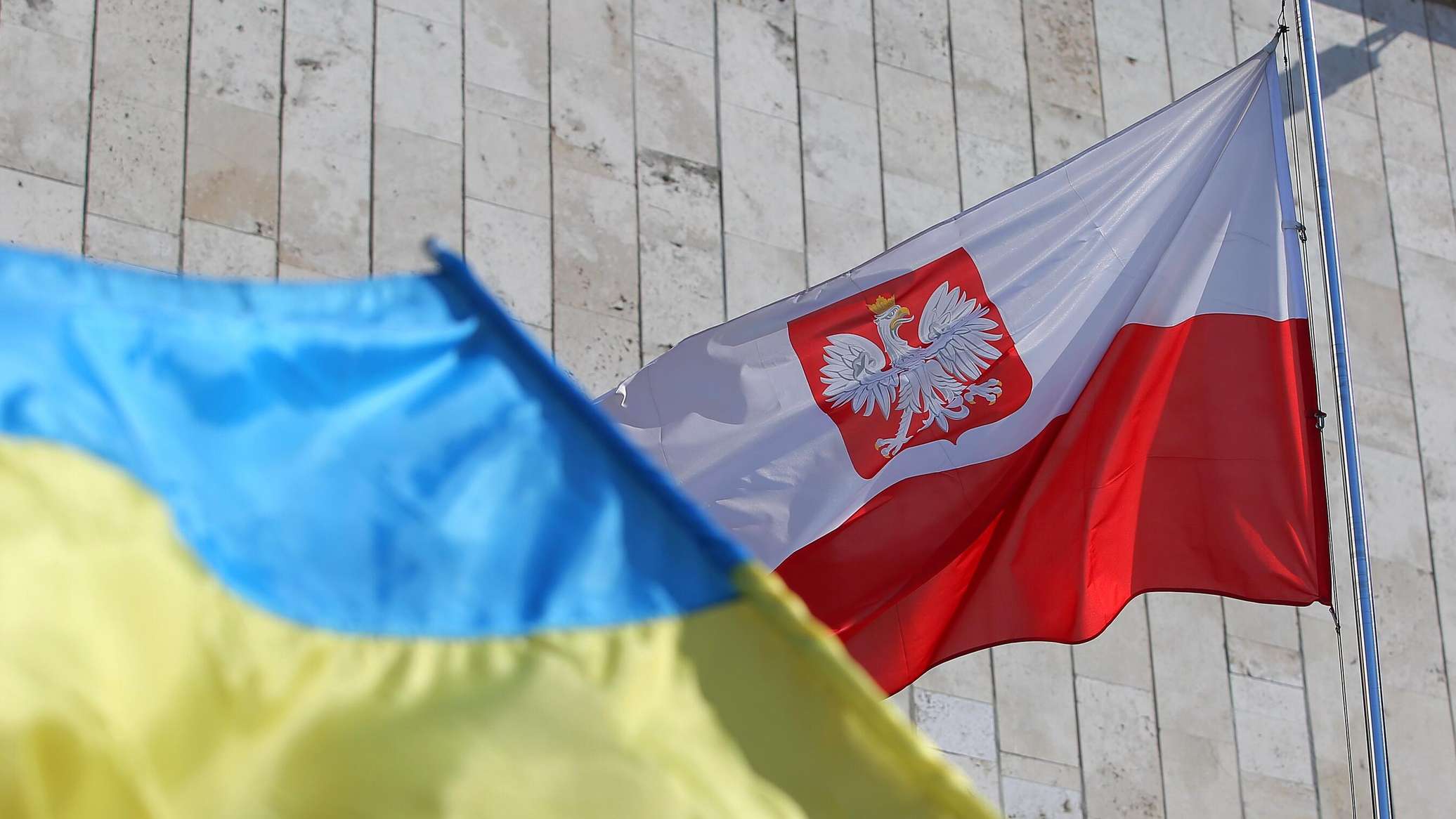
The shift in sentiment is measurable. Data from the Polish police indicates a 30 percent spike in violent incidents targeting Ukrainians in 2026 compared to the previous year. Meanwhile, Eurostat figures show that over 31,000 Ukrainians—roughly 3.2 percent of the population residing in Poland—have departed since April. For many, the decision to leave is driven by a pervasive sense of unease, fueled by social media campaigns and political rhetoric that increasingly portrays them as a societal burden.
Historical grievances, particularly surrounding the World War II-era Volhynia massacre, remain a central friction point. Tensions flared recently when Ukrainian President Volodymyr Zelenskyy honored a military regiment linked to the UPA, prompting Polish President Karol Nawrocki to revoke his Order of the White Eagle. Analysts suggest that right-wing factions are weaponizing these historical wounds to consolidate support ahead of the 2027 elections, turning the presence of Ukrainian refugees into a volatile campaign issue.
While some Ukrainians, like a resident named Olena, hope to weather the political storm for the sake of their children’s education and established lives, others are less optimistic. Experts tracking disinformation note that Russian influence operations are actively magnifying these societal fractures. As the political climate grows more aggressive, the once-unquestioned welcome has faded, leaving those who remain to wonder whether the safety they sought in Poland is still guaranteed.
Comments (0)
No comments yet. Be the first!