
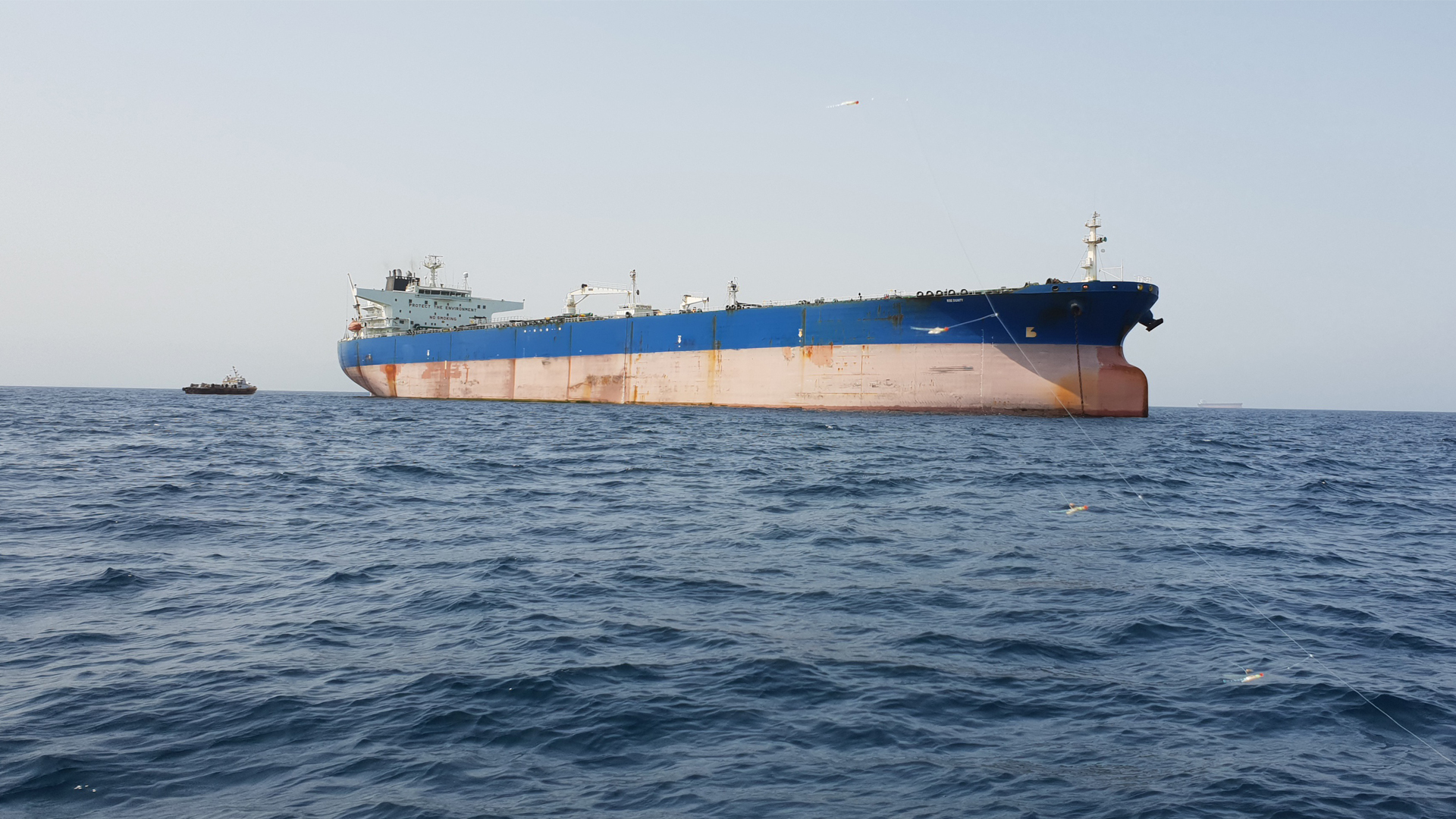
Mohsen Rezaei, secretary of Iran’s Supreme National Security Council, stated that the proposed zone will stretch from the existing U.S. naval blockade line into the Persian Gulf. Under this mandate, any ship transiting the critical oil chokepoint without Iranian approval faces immediate placement on a sanctions list. While negotiations with Oman have been ongoing for weeks, the International Maritime Organization has yet to receive formal notification of the plan.
The regional escalation reached a breaking point over the weekend after U.S. forces struck three Iranian oil tankers in retaliation for ballistic missile attacks on two American warships. Iranian authorities maintain that the strait remains effectively closed, justifying their actions as a response to the ongoing blockade. Although Washington disputes these claims, asserting that oil shipments continue to flow, independent tracking data confirms traffic has plummeted to its lowest level since May.
Energy markets remain volatile as the standoff persists. Goldman Sachs analysts have warned that further interference with commercial shipping could drive Brent crude as high as $120 per barrel. With both sides entrenched, the viability of the proposed corridor remains uncertain, leaving international shipping firms in a precarious position as they navigate one of the world's most vital energy arteries.
Comments (0)
No comments yet. Be the first!