
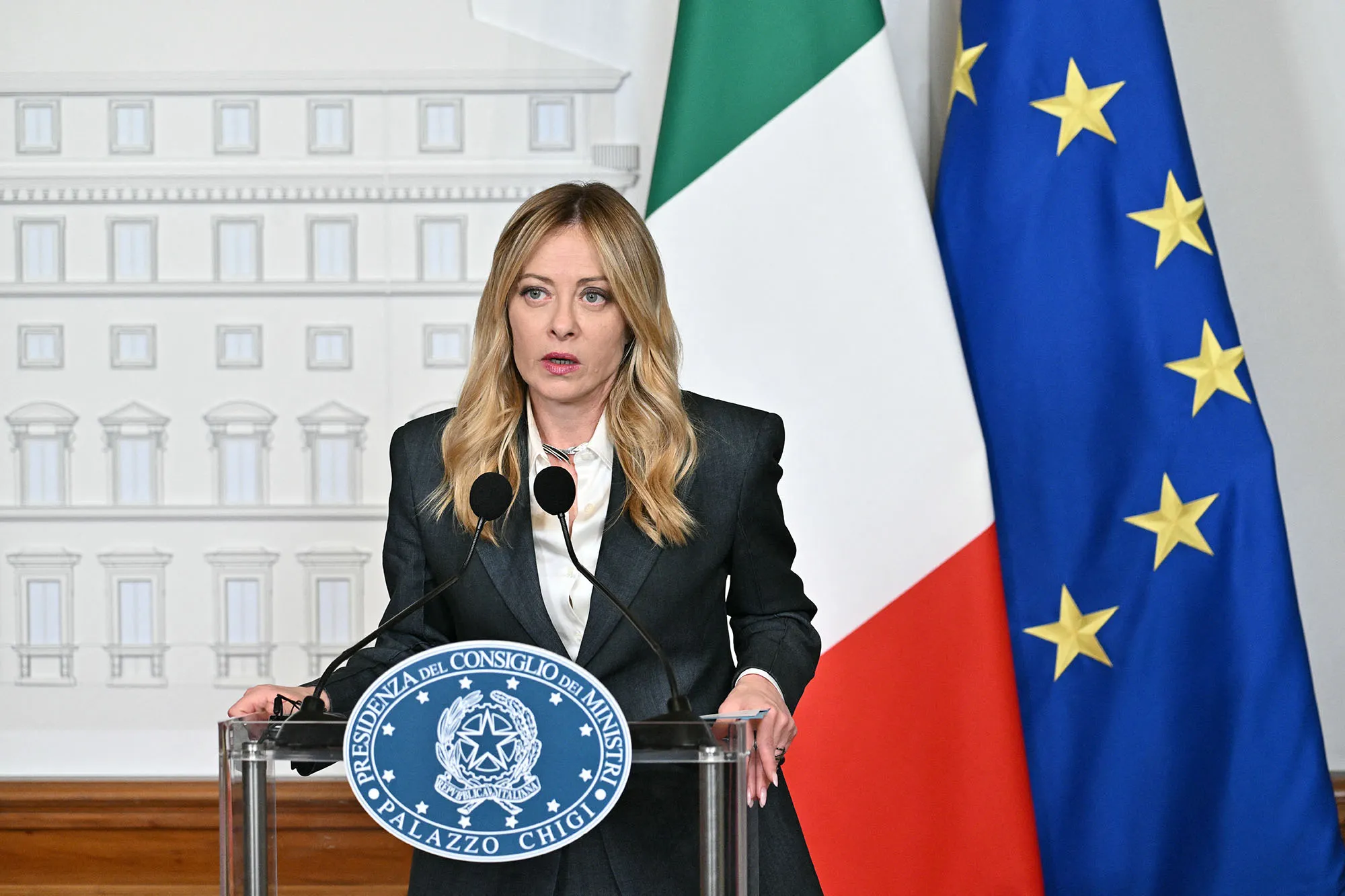
The government’s survival is often cited by officials as its primary achievement, projecting an image of reliability to European partners. By aligning with Brussels on fiscal discipline and support for Ukraine, Meloni has successfully shed her image as a far-right disruptor. However, analysts warn that this pivot has left the country’s deeper ailments—including high public debt, stagnant productivity, and a persistent youth exodus—largely unaddressed. Despite a deficit reduction to 3.1% of GDP by 2025, households continue to face declining purchasing power, with inflation and housing costs in major hubs like Milan and Rome remain among the highest in Europe.
Migration management stands as the most tangible result of this pragmatic approach. By pivoting from confrontation to championing the EU’s new Pact on Migration and Asylum, Meloni secured a regional framework that includes controversial externalized processing centers in Albania. Yet, this strategy faces mounting pressure from her own electoral base. The rise of Roberto Vannacci, a former general advocating for a return to hard-right ideological positions and pro-Russian sentiment, threatens to fracture the coalition. As the government approaches its final year, Meloni must navigate the tension between maintaining her newfound European credibility and preventing her right flank from eroding the stability she has spent four years building.
Comments (0)
No comments yet. Be the first!