
This potential shift signals a departure from the administration’s original domestic-focused energy strategy, moving toward aggressive resource acquisition. The move follows the depletion of U.S. strategic petroleum reserves and rising geopolitical instability along critical Middle Eastern transit routes. By securing equity in these reserves, Washington aims to establish a strategic hedge against global supply volatility.
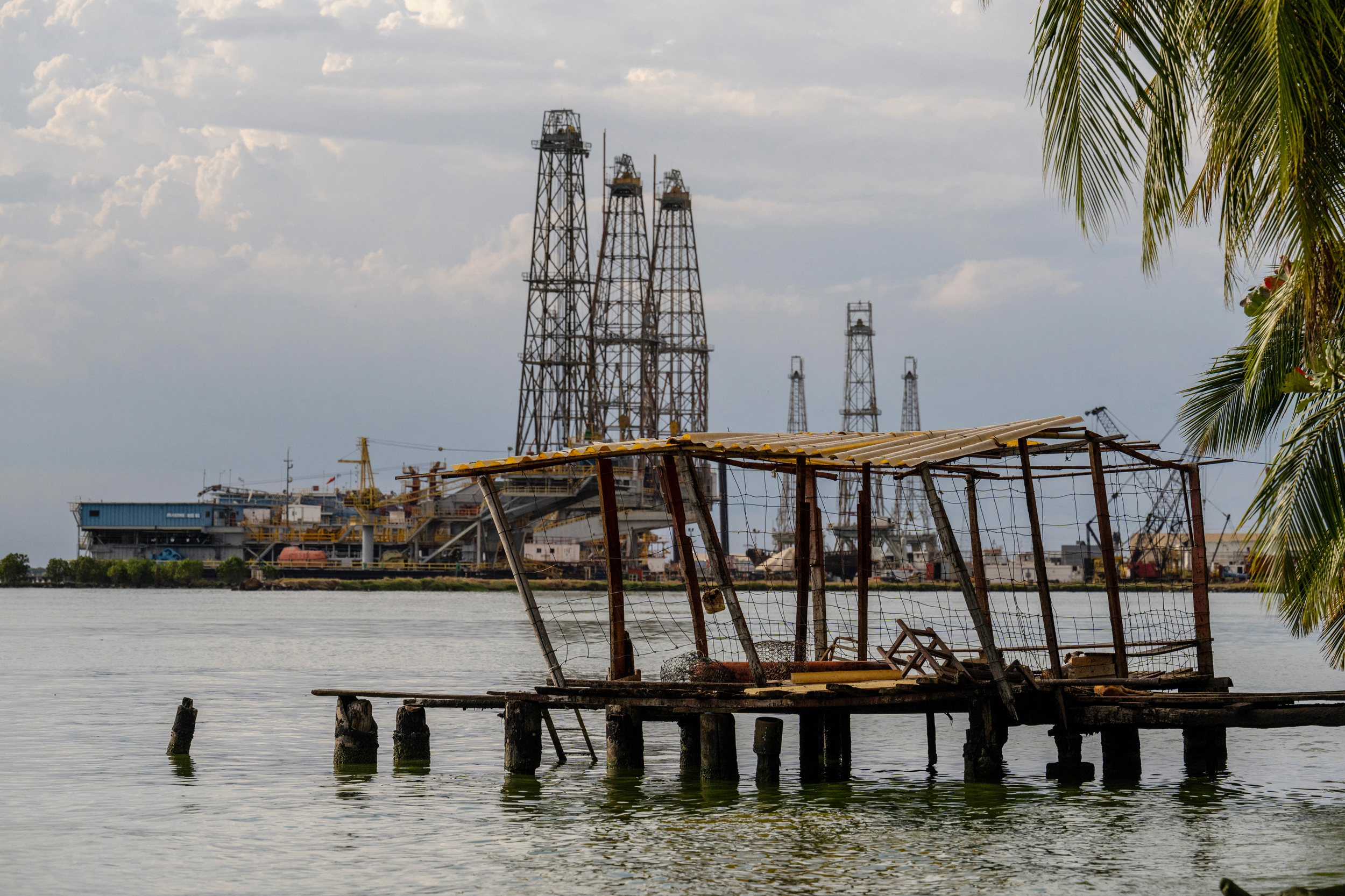
However, the path to production remains fraught with technical and financial hurdles. Decades of underinvestment have left Venezuela’s infrastructure in a state of severe degradation. Rystad Energy analysts estimate that restoring significant production capacity requires a $180 billion capital injection over the next decade. While major corporations like ExxonMobil and ConocoPhillips remain wary of the nation's history of expropriation, smaller independent firms—including SLB and Pacific Coast Energy—are already moving to secure service agreements.
Energy Secretary Chris Wright is set to travel to Caracas next week to finalize the logistics of field rehabilitation. Despite this diplomatic push, industry experts warn that meaningful output increases will remain stagnant until the underlying legal and infrastructure frameworks are fundamentally stabilized.
Comments (0)
No comments yet. Be the first!