
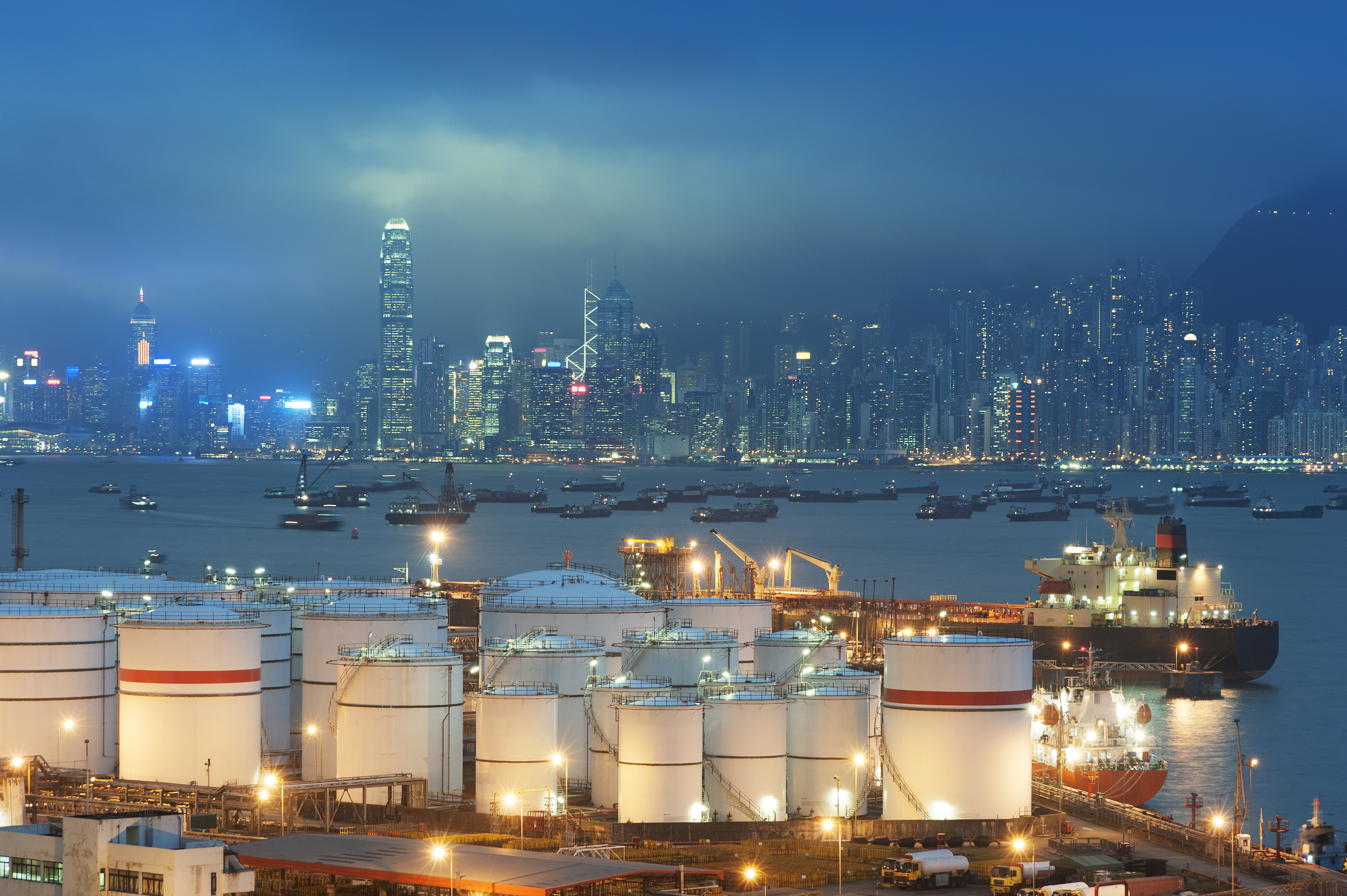
The government’s latest directive mandates a massive buildup of terminal and pipeline capacity, aiming for 200 million tonnes of LNG terminal throughput and 114 billion cubic metres of pipeline capacity by 2030. Officials are prioritizing storage, requiring levels to outpace national consumption by 13 percent. These measures are designed to insulate the economy from global market disruptions, a strategy already tested by the closure of the Strait of Hormuz earlier this year.
Despite Beijing’s status as a leader in renewable integration, the plan reveals a pragmatic tension between decarbonization and industrial security. By targeting peak oil consumption—potentially as early as this year—the leadership is positioning the country to survive the global production decline that many analysts anticipate. Josh Freed, head of climate and energy at the think tank Third Way, noted that the state is uniquely positioned to absorb these shocks. Rather than a retreat from fossil fuels, the policy represents a calculated effort to achieve energy independence through a combination of domestic production, massive stockpiling, and a systematic shift toward electrification.
Comments (0)
No comments yet. Be the first!