
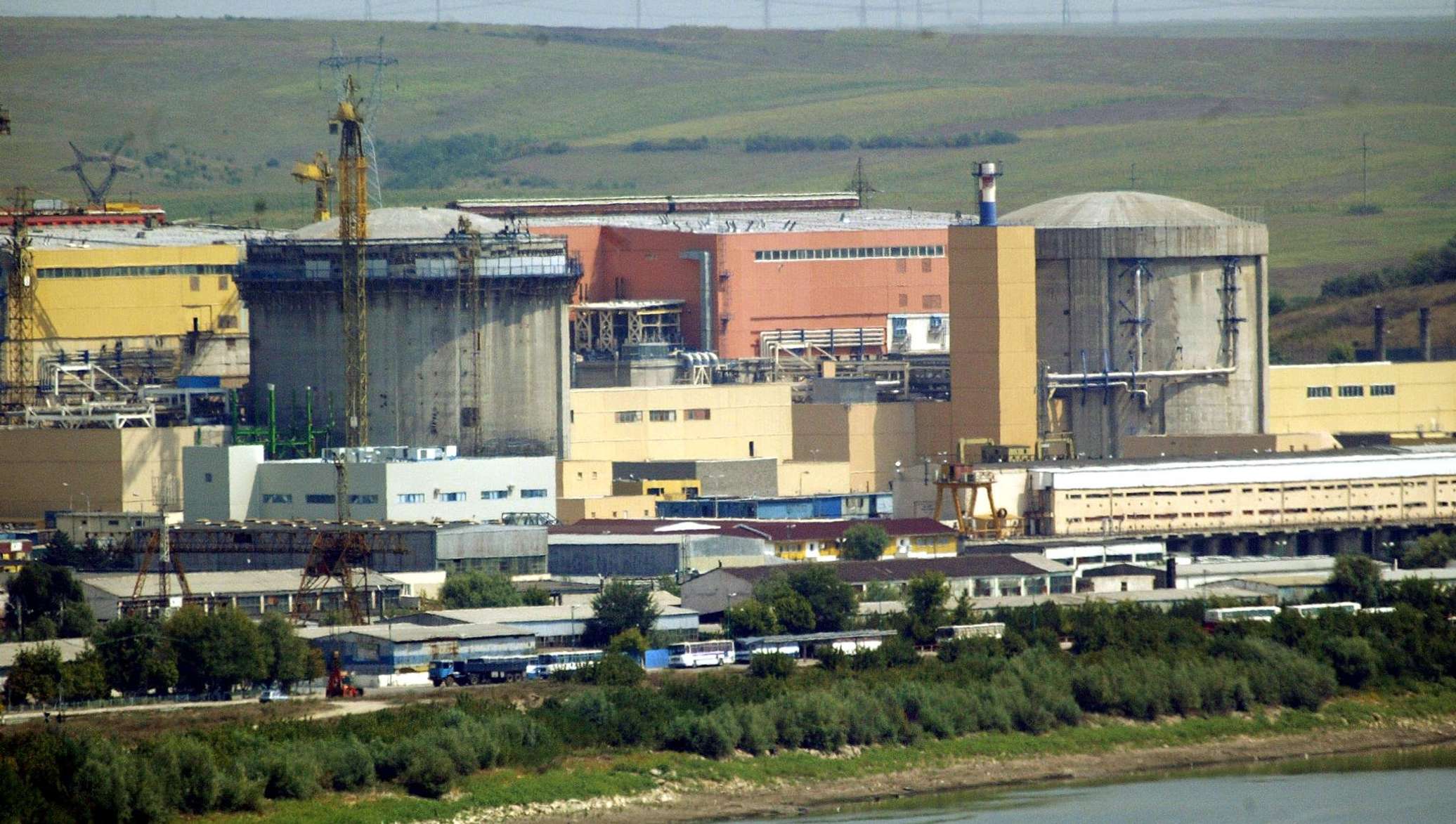
Romania’s recent struggle to cool its Cernavoda nuclear plant—which forced a reactor shutdown and factory idling—serves as a localized preview of systemic grid failures. Though European gas markets hope for a warm winter, Rystad Energy projections suggest that even a moderate El Niño fails to bridge the supply gap, with the region still requiring millions of tonnes of additional LNG through 2027.
The crisis is primarily hydrological. Latin America, where nearly half of all electricity generation relies on hydropower, faces severe exposure as reservoir levels lag behind targets. Simultaneously, solar energy is not immune; research indicates that peak El Niño events can reduce surface radiation by up to 10 percent in key growth markets like southeastern China. In India, the transition to El Niño creates a perfect storm: weakened wind and hydro output clashing with record-breaking cooling demand, likely forcing a massive surge in coal consumption to fill an estimated 18 TWh generation gap.
Infrastructure is buckling under these climatic pressures. The Panama Canal has implemented repeated draft restrictions as Gatun Lake levels drop, forcing the authority to throttle hydroelectric generation just as energy transit demands reach new highs. While NOAA predicts a below-normal Atlantic hurricane season—potentially sparing vital Gulf Coast export terminals—the storms that do manifest remain highly concentrated near critical infrastructure. As JPMorgan analysts suggest, this convergence of climate-driven disruption and war-inflated prices threatens to stall the global disinflationary trend, leaving markets waiting for the World Meteorological Organization’s next update in September.
Comments (0)
No comments yet. Be the first!