
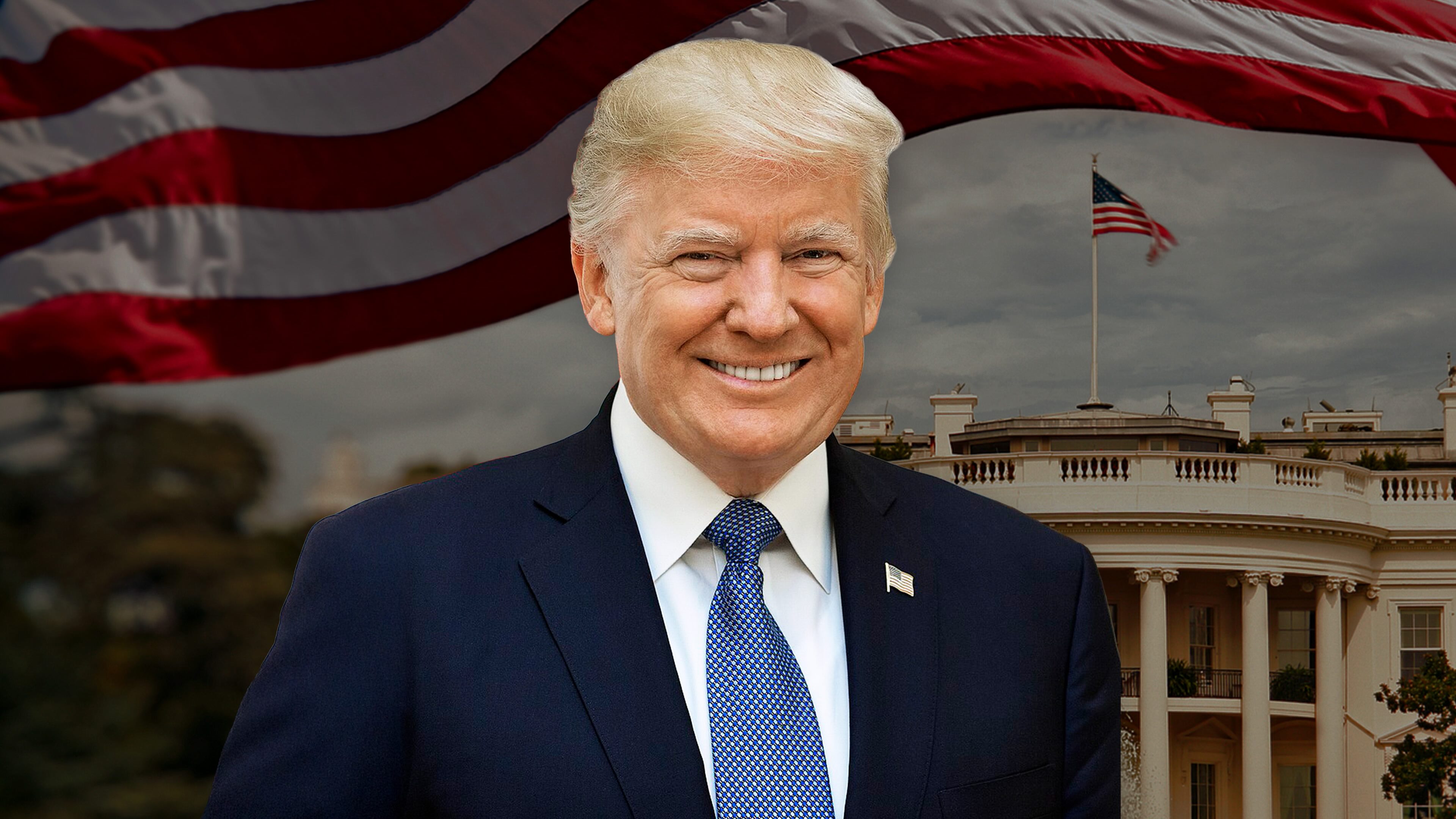
The deadline for a final agreement has been pushed to August 21, leaving negotiators scrambling to bridge the gap on vehicle tariffs. Washington has proposed reducing its 25% levy on Canadian-made cars to 15%, with a potential floor of 7.5% for vehicles containing sufficient U.S. parts. Ottawa argues these terms remain punitive and insists that components sourced from Mexico should count toward domestic content requirements to ensure the survival of its automotive sector.
Beyond the assembly line, the trade dispute encompasses a broader range of retaliatory measures. Trump is pressing for the removal of Canadian tariffs on U.S. vehicles and the lifting of provincial restrictions on American liquor, alongside expanded access to Canada’s protected dairy market. The Keystone XL project, capable of transporting 830,000 barrels of oil per day, serves as a high-stakes bargaining chip in these negotiations. Though Trump suggests the pipeline could be "awoken from the grave," neither government has formally confirmed its inclusion in the current trade text. This move follows the administration’s earlier support for the $2 billion Bridger Pipeline expansion, which utilizes part of the former Keystone corridor and is slated for potential construction by 2027.
Comments (0)
No comments yet. Be the first!