
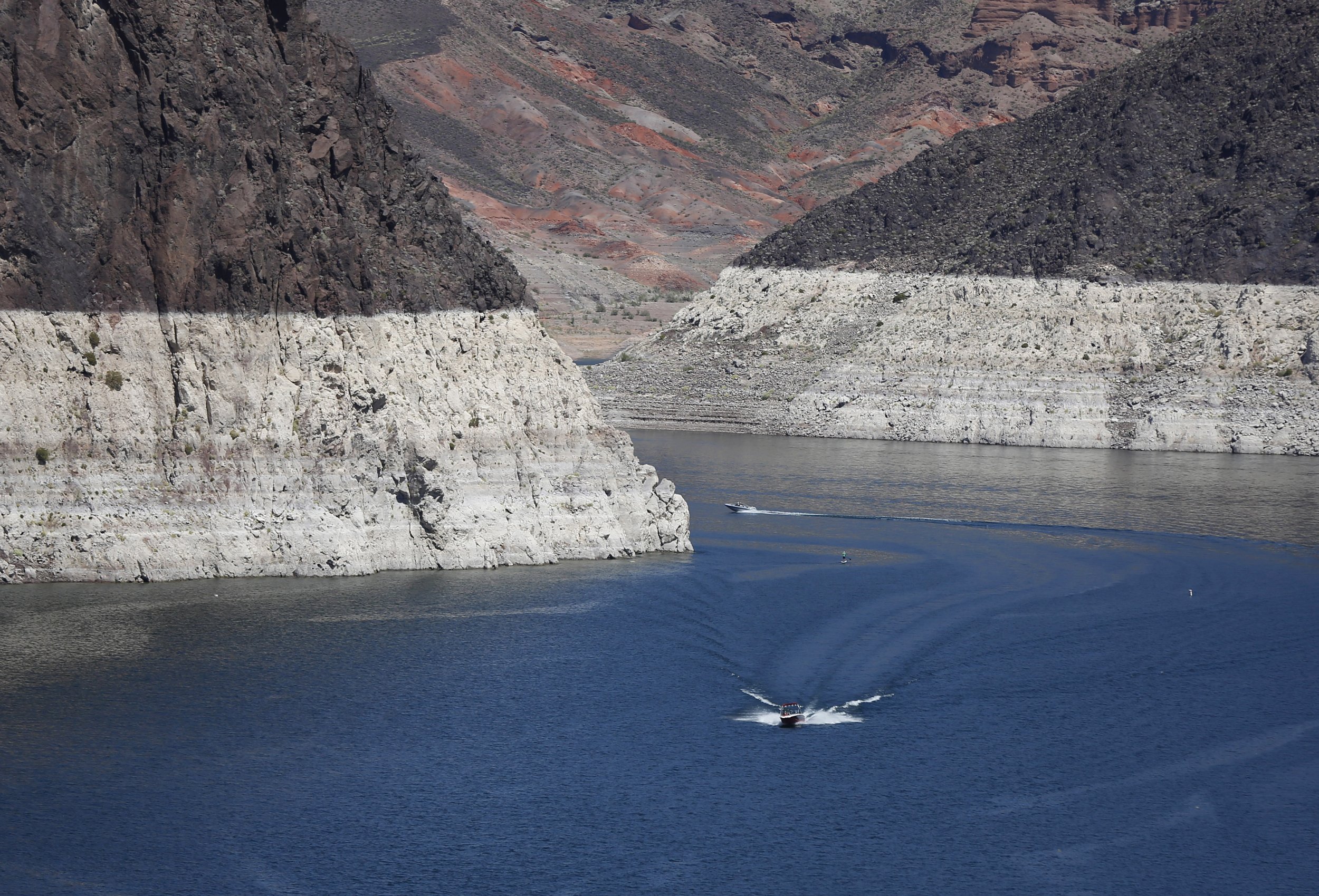
The dependency is absolute: electricity production requires water for cooling, steam generation, and fuel transport. When rivers run low or heat up, power plants struggle to operate, and transmission lines sag under extreme temperatures. Meanwhile, new high-demand sectors like AI data centers are intensifying the strain on an already overextended resource. Policy shifts prioritizing traditional thermal power plants over wind projects ignore these physical constraints, leaving the energy sector vulnerable to supply shocks that markets are ill-equipped to resolve.
Reliance on price signals to manage water scarcity remains a flawed strategy. Because water is an essential commodity with no viable substitute, price hikes fail to curb demand effectively while threatening social stability. Furthermore, a fragmented landscape of local water jurisdictions and rigid legal water rights makes coordinated national planning nearly impossible. With the federal government dismissing climate-driven disruptions, energy producers and investors must now prepare for a future where water availability is no longer guaranteed, rendering historical averages obsolete. Investors should look toward water as the defining commodity of the 21st century, as the decoupling of supply and demand creates a permanent, high-stakes imbalance.
Comments (0)
No comments yet. Be the first!