
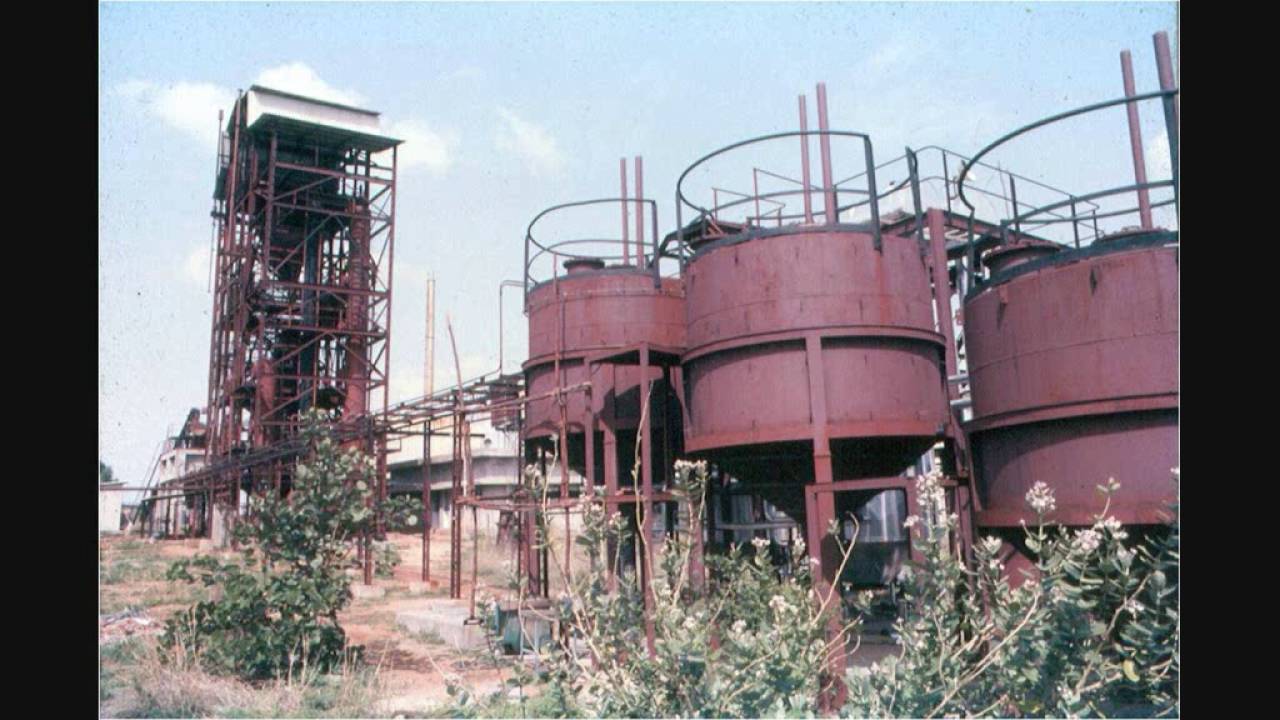
The expansion centers on Xinjiang, where mine-mouth coal prices—averaging $30 per tonne—provide a decisive cost advantage over imported alternatives. By producing synthetic gas at roughly $9.1 to $9.6 per million British thermal units, these facilities have achieved over 90% utilization rates. This efficiency has prompted Beijing to accelerate project approvals, shrinking wait times from three years to under 12 months for new developments.
While the industry grows, it faces significant environmental scrutiny. New facilities like the CHN Energy Zhundong plant are integrating carbon capture, electrolytic hydrogen, and water recycling to meet evolving standards. However, analysts remain cautious about the long-term bankability of decarbonized synthetic gas. Water scarcity and the lack of a unified national emissions standard present persistent operational headwinds.
For global energy markets, the rise of China's synthetic gas sector acts as a structural dampener on future LNG demand. While it remains a supplement rather than a total replacement for imports, the growth trajectory forces producers in Australia, Qatar, and the United States to recalibrate their long-term supply contracts. As Wei Xiong of Rystad Energy noted, the strategy is a clear hedge against a world where energy routes are increasingly treated as instruments of political pressure.
Comments (0)
No comments yet. Be the first!