
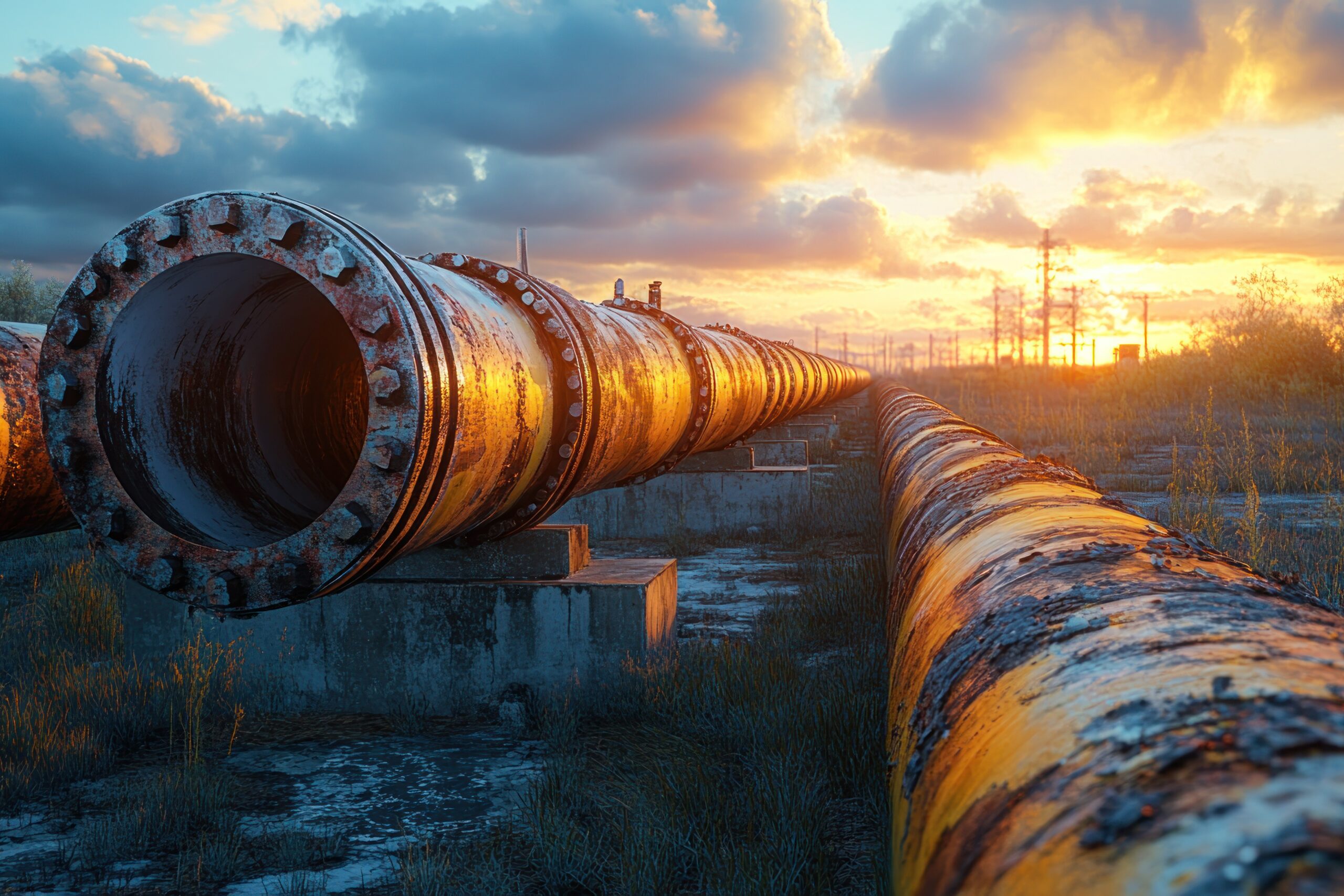
The proposed shifts focus on the Baku-Tbilisi-Ceyhan pipeline system and the Baku-Supsa route, alongside plans to increase eastward flows to China. Reliance on the Caspian Pipeline Consortium (CPC) has become a strategic liability, as the terminal at Novorossiysk repeatedly faces shutdowns following military activity. In July alone, operations were suspended on three separate occasions, briefly removing over 1 million barrels per day from the global market.
This vulnerability affects the output from Kazakhstan’s three giant oilfields—Tengiz, Kashagan, and Karachaganak—where Western majors including Chevron, ExxonMobil, Shell, and Eni hold significant stakes. While the Russian Federation remains the largest shareholder in the CPC with a 24% stake, the persistent threat to Russian energy infrastructure leaves international operators facing heightened supply risks. As global oil flows contend with disruptions across both the Black Sea and Middle East, Kazakhstan’s move to diversify represents an urgent effort to decouple its energy revenue from the escalating conflict.
Comments (0)
No comments yet. Be the first!