
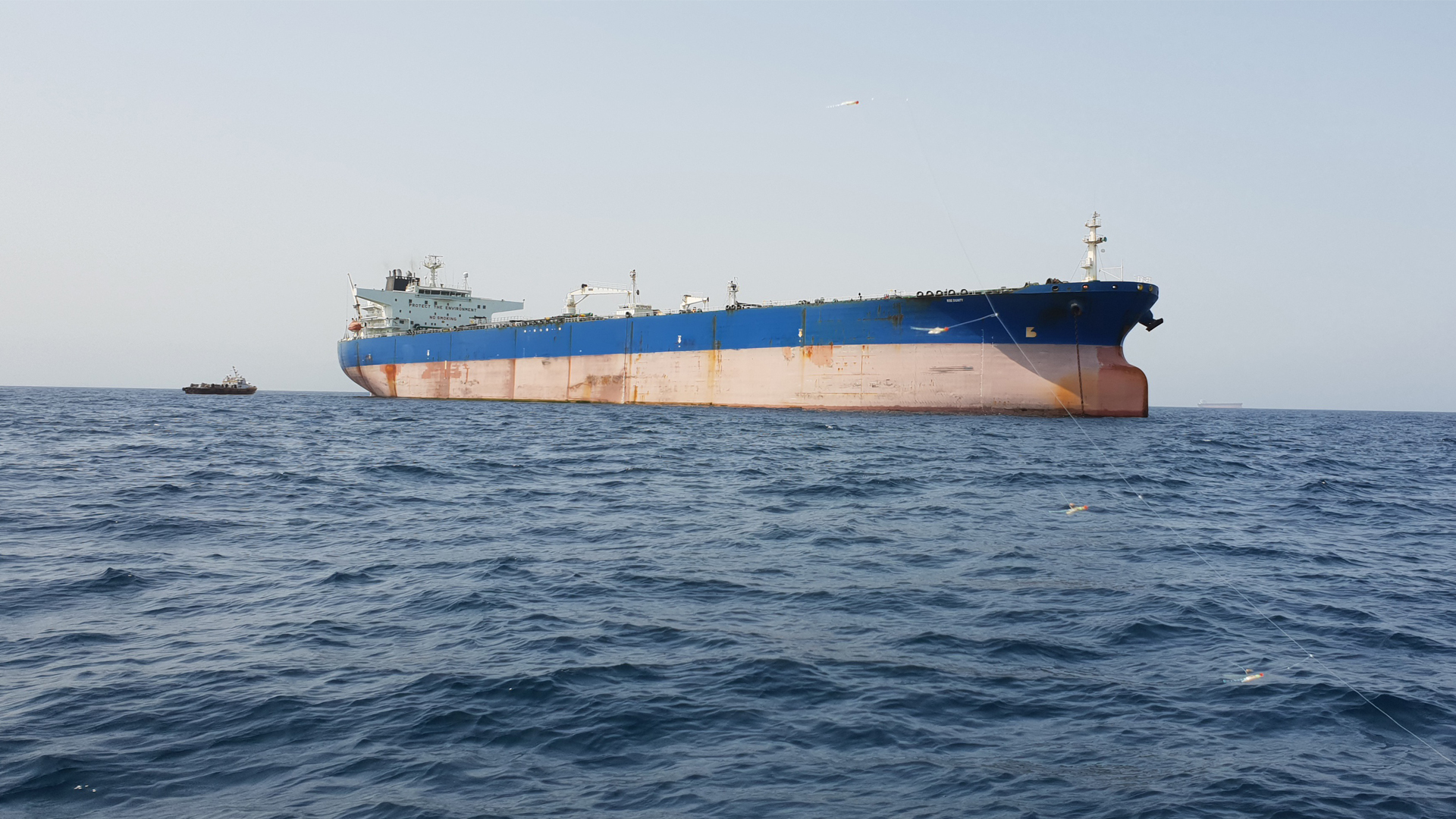
Tehran’s proposal for the Strait of Hormuz splits oversight, with Iran managing inbound traffic and Oman handling outbound vessels. The plan remains stalled by Washington’s refusal to grant Iran authority over critical shipping lanes and industry warnings that transit fees, layered atop existing U.S. sanctions, make the logistics commercially non-viable. Even a successful pact would be limited to maritime navigation, leaving the wider regional hostilities untouched.
Simultaneously, the fragile 2022 truce between Saudi Arabia and the Houthis has collapsed. Following an August 5 strike on two Saudi oil tankers, Houthi forces launched a coordinated drone and ballistic missile assault on government positions in Marib and Hadhramaut, resulting in dozens of casualties. Riyadh has responded by launching retaliatory strikes and assembling a multinational maritime coalition to secure the Red Sea and the Bab el-Mandeb strait.
Internal U.S. military assessments reflect this hardening landscape. U.S. Central Command recently solicited unconventional strategies from analysts to exert pressure on Iran, acknowledging that the current air campaign strategy is insufficient to alter Tehran’s regional behavior. With the conflict intensifying, the window for diplomatic maneuvering is narrowing.
Comments (0)
No comments yet. Be the first!