
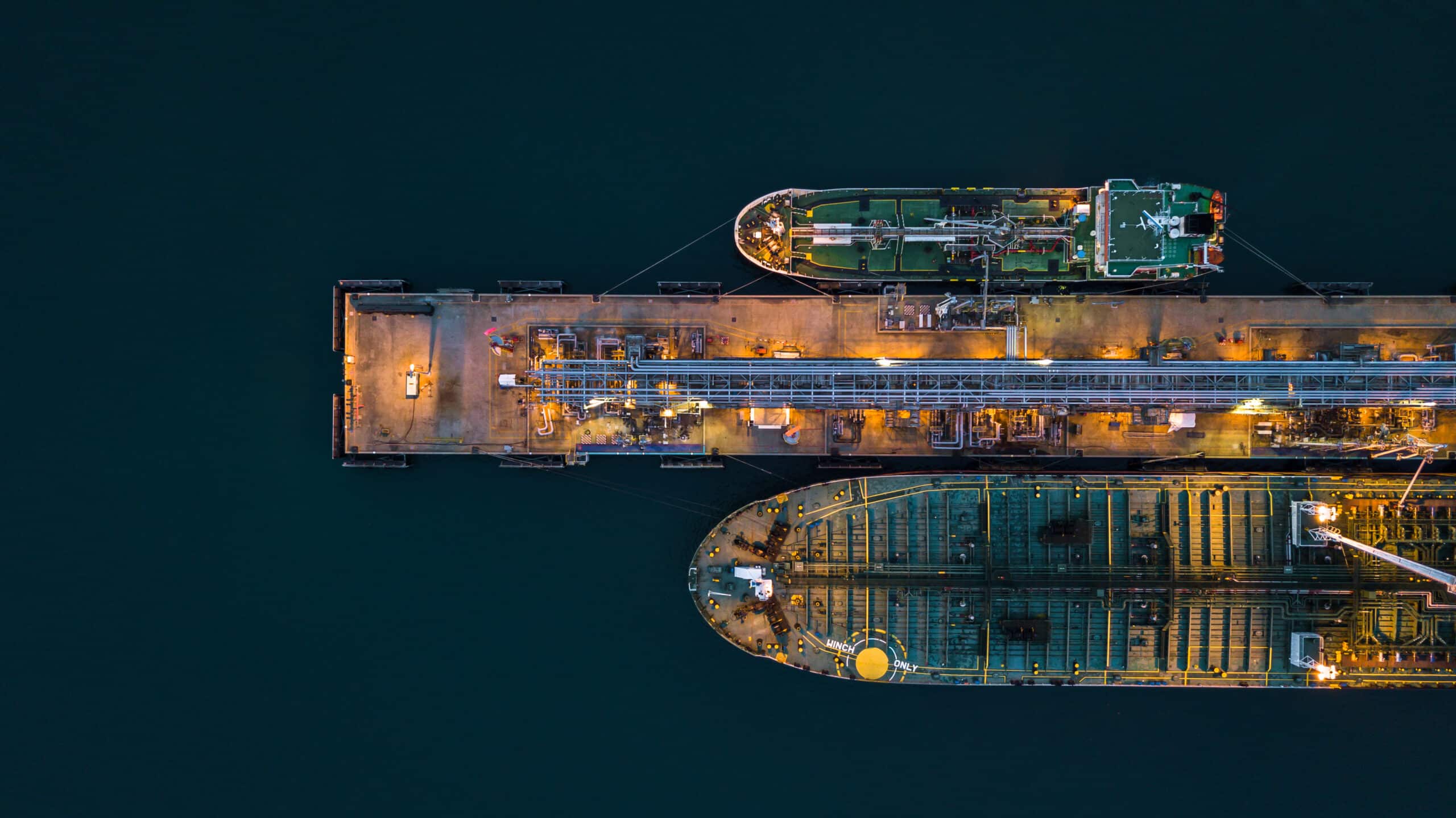
The current supply route is a logistical marathon. Crude travels from Saudi fields to the Yanbu terminal, heads north to Egypt, crosses the SUMED pipeline to the Mediterranean, and finally navigates around the Cape of Good Hope to reach Asian markets. This journey, which can stretch from 19 to 48 days, reflects a fundamental shift in energy economics: efficiency is no longer the only metric that matters.
Strategic Redundancy
For Saudi Aramco, the expense is a calculated hedge. With the East-West Pipeline operating at a maximum capacity of 7 million barrels per day, the kingdom has maintained 98.4% supply reliability despite regional instability. By creating a separate pricing mechanism for crude loaded at the Mediterranean port of Sidi Kerir, Aramco is effectively embedding logistics resilience directly into the oil price. This approach treats infrastructure not as a fixed asset, but as a flexible insurance policy that pays off when primary waterways face closure or drone threats.
While critics point to the rising costs, the alternative is the catastrophic loss of export revenue. As Saudi Arabia pushes its Vision 2030 agenda to reduce oil dependence, the ability to guarantee delivery becomes a competitive advantage. The $5 premium is the cost of ensuring that when regional chokepoints fail, the kingdom’s product remains the most dependable option in a volatile market.
Comments (0)
No comments yet. Be the first!