
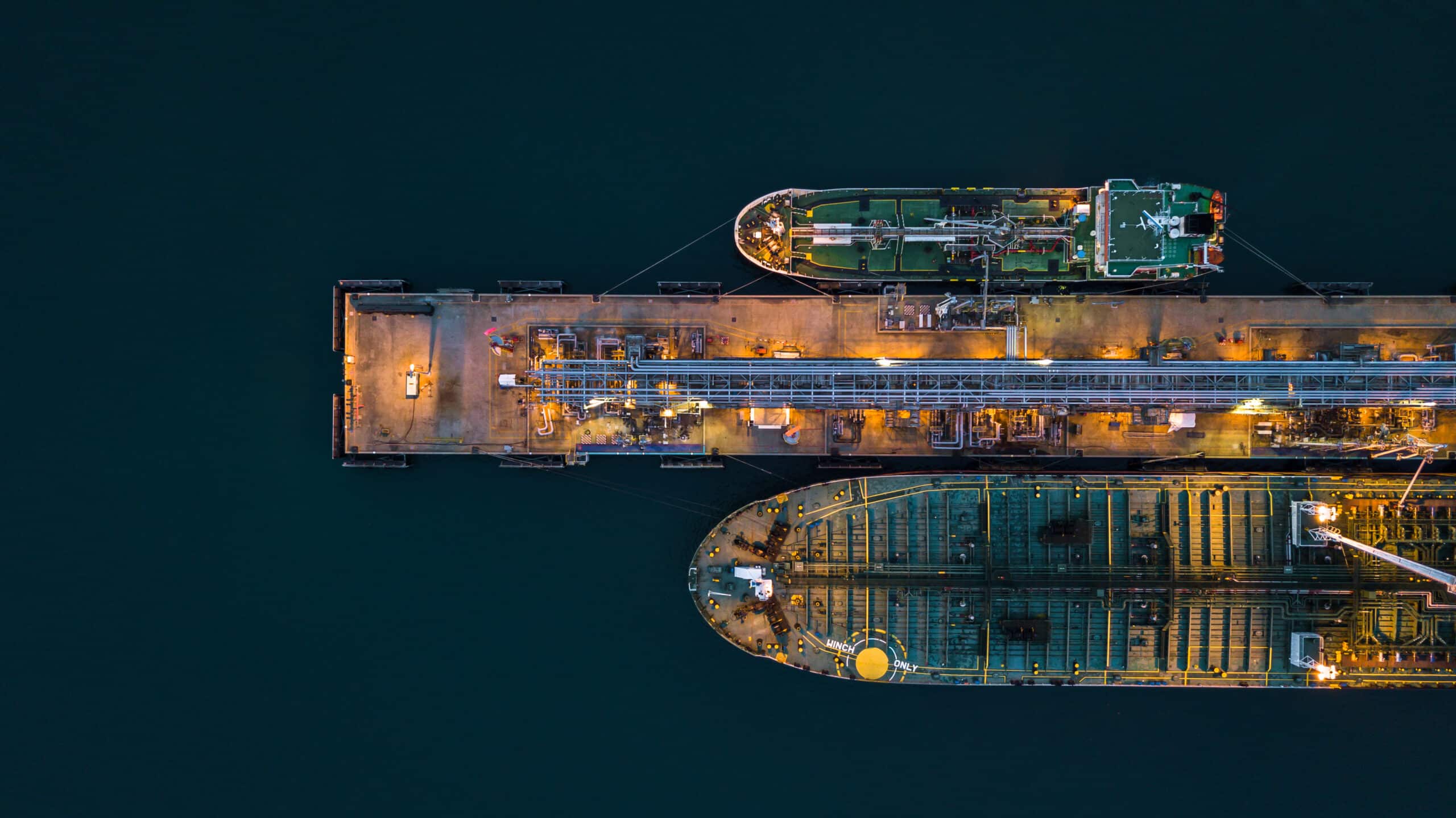
The kingdom’s pivot to the 7 million-barrel-per-day Petroline was intended to shield exports from the closure of the Strait of Hormuz. By March, this strategy pushed exports from the western port of Yanbu to 2.47 million barrels per day, a 330% increase. However, the surge proved unsustainable. By June, loadings at Yanbu had plummeted by 41% from that peak, leaving Saudi Arabia scrambling to adapt as the Houthi movement intensified its threats against Saudi-linked vessels.
Faced with a southern blockade, the kingdom has shifted its logistics toward the north, utilizing the SUMED pipeline to pump oil to Egypt’s Mediterranean coast. Yet, physical constraints loom large. The SUMED pipeline is capped at 2.5 million barrels daily, and much of that capacity is already claimed by other regional players. Analytical firm Kpler suggests that the Suez Canal can only handle an additional 1 million barrels daily, rendering a full transition of Saudi volumes mathematically impossible. While rising Brent crude prices—up 47% this year—have cushioned the impact on the Saudi budget, the geographical vulnerability of these remaining export channels threatens to force further production declines unless the maritime security situation stabilizes.
Comments (0)
No comments yet. Be the first!