
Novak described the current stabilization as a result of active federal intervention, noting that authorities are coordinating directly with regional officials and energy companies to address supply gaps. Despite these gains, the official acknowledged that the situation remains tense in specific areas, labeling the broader crisis a temporary disruption caused by peak seasonal demand and logistical challenges.
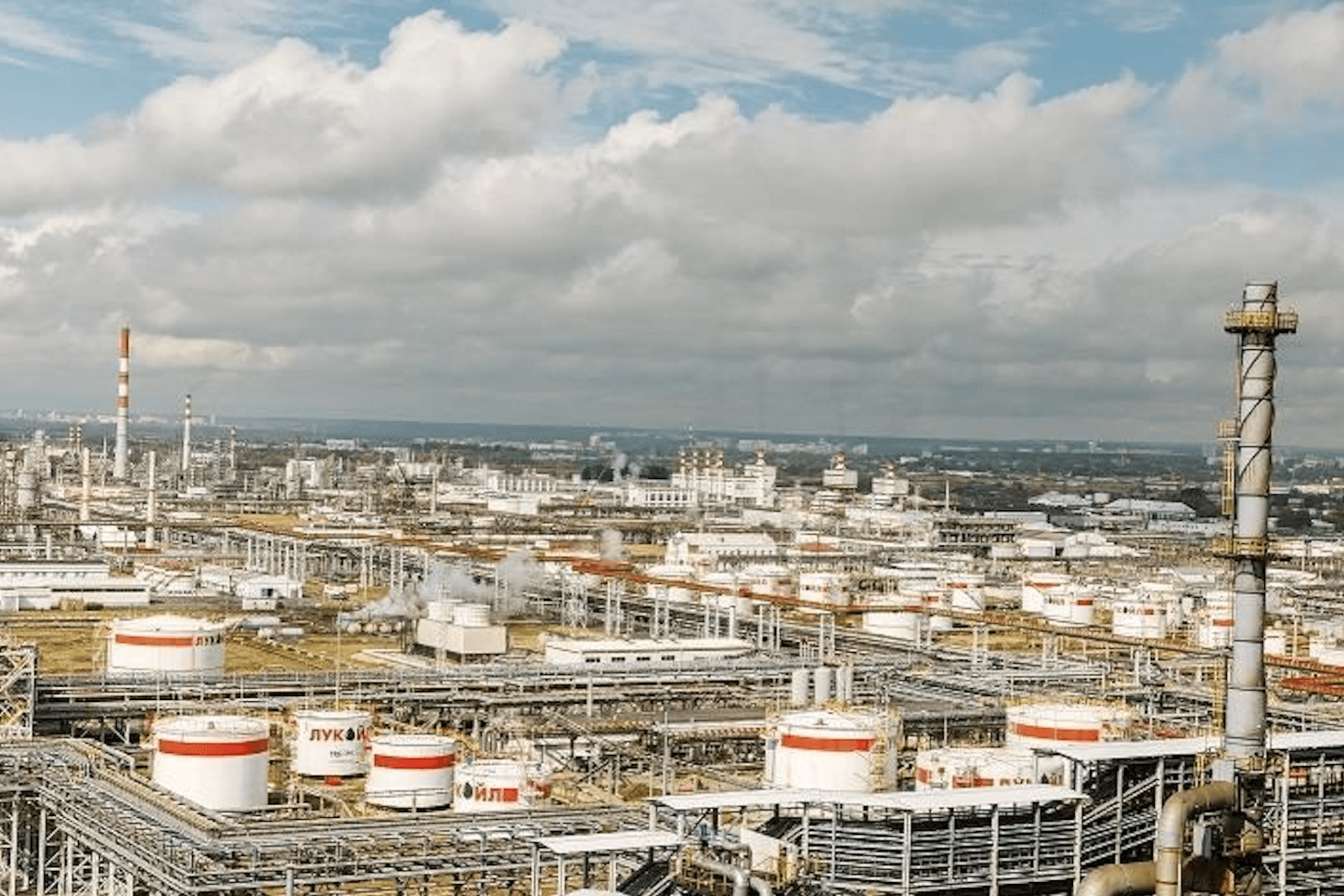
The strain on Russia’s energy sector follows a sustained campaign of Ukrainian drone strikes targeting processing facilities throughout the spring and summer. These attacks have forced multiple large-scale sites offline, compounding the pressure on a domestic market already struggling to maintain output. In a move to safeguard local inventory, Moscow implemented a ban on diesel exports earlier this month, a policy shift that has subsequently tightened global supply chains.
Beyond refineries, the conflict has increasingly targeted the maritime routes vital to Russian oil exports. Recent strikes have crippled key infrastructure in the Black Sea, including the Sheskharis terminal at Novorossiysk. The ripple effects have extended into Kazakhstan, where the suspension of loadings at the Caspian Pipeline Consortium terminal forced a significant reduction in output at the Tengiz oil field, further complicating the flow of crude to international markets.
Comments (0)
No comments yet. Be the first!