
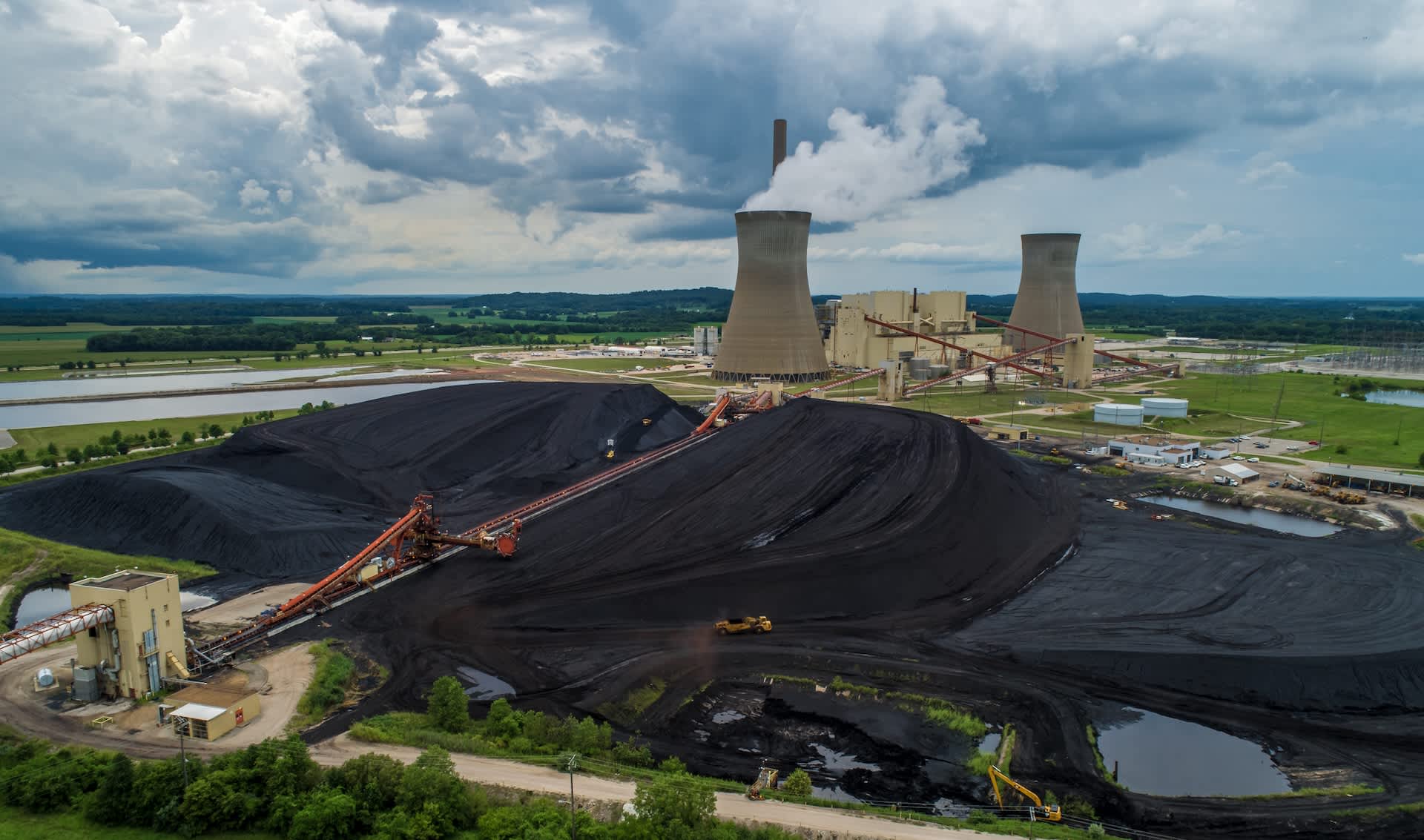
While the 57% share marks a decline from 65% in 2000, the reliance on coal, gas, and oil remains stubborn. Wind and solar power have grown significantly, contributing 17% of total generation last year compared to less than 5% a decade ago. However, these intermittent sources struggle to match the dispatchable nature of fossil fuels, which provide power on demand regardless of weather conditions.
The challenge is compounded by the stagnation of nuclear energy, which has dropped from 17% of the global mix in 2000 to just 9% today. As global energy consumption outpaces the installation of new infrastructure, coal and gas remain the primary buffers against instability. Even in China, the world’s leading market for renewable capacity, consumption of coal continues to climb alongside the construction of new coal-fired power plants.
Regional disparities highlight the complexity of this shift. The European Union has moved furthest from tradition, with non-hydrocarbon sources generating 48% of its electricity last year, while coal and gas accounted for 29%. Yet, on a global scale, the sheer velocity of rising demand ensures that hydrocarbon usage continues to grow in absolute terms, even as their relative percentage of the total energy mix slowly wanes.
Comments (0)
No comments yet. Be the first!