
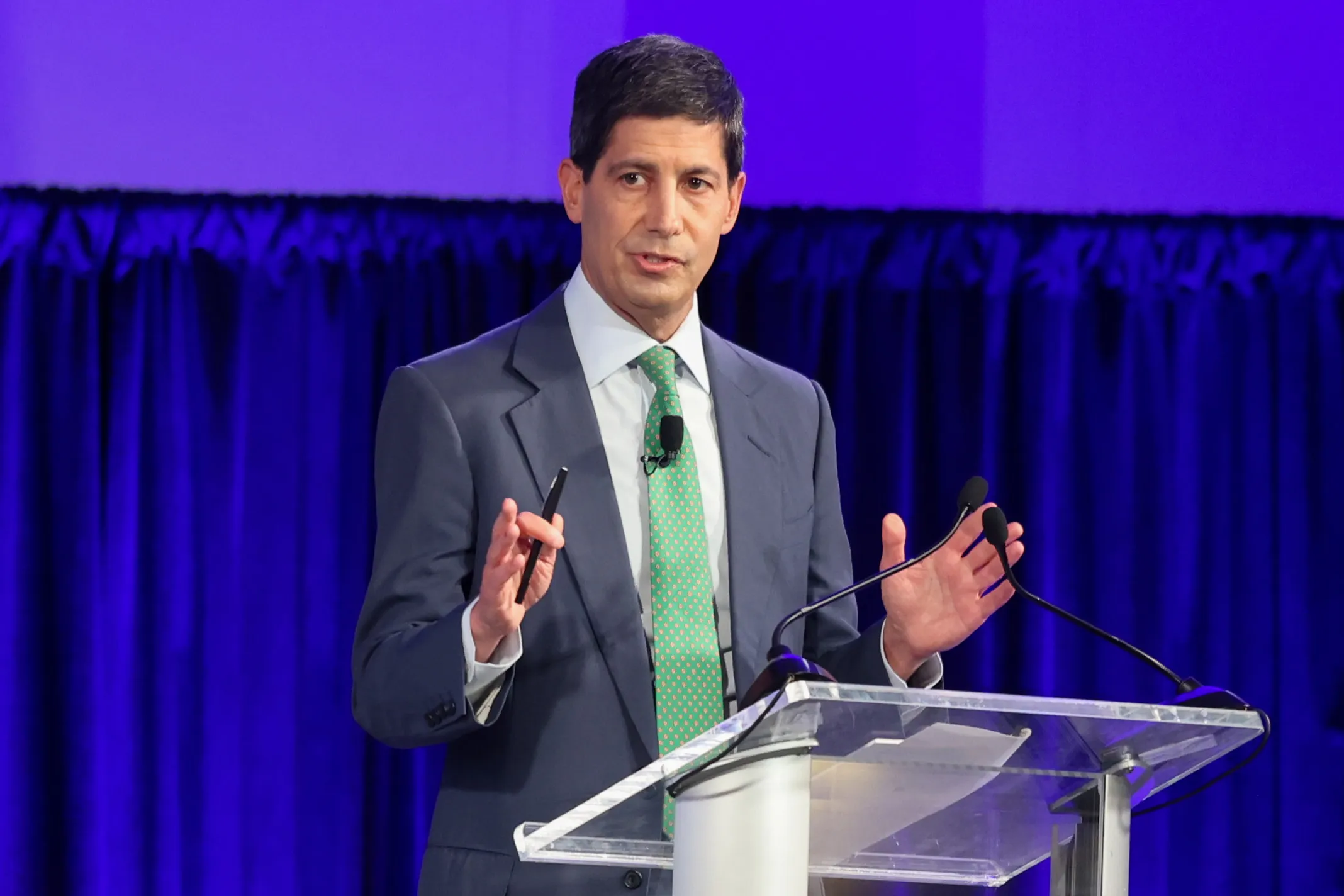
Warsh characterized the current U.S. economy as resilient, noting that manufacturing and consumption remain on solid footing despite a persistent slump in the housing sector. He highlighted a surge in business investment—specifically in data centers and AI-related infrastructure—as the economy's most striking feature. The Fed is now actively monitoring how this capital expansion impacts labor markets and broader price pressures.
While the labor market remains stable with low unemployment and steady wage growth, Warsh emphasized that long-term inflation remains a direct consequence of monetary policy. To sharpen the institution's decision-making, he has appointed five task forces charged with re-evaluating current policy practices. His message to Congress was clear: the central bank intends to move past the inflationary volatility of the recent half-decade by focusing on a more disciplined, data-driven framework.
Comments (0)
No comments yet. Be the first!