
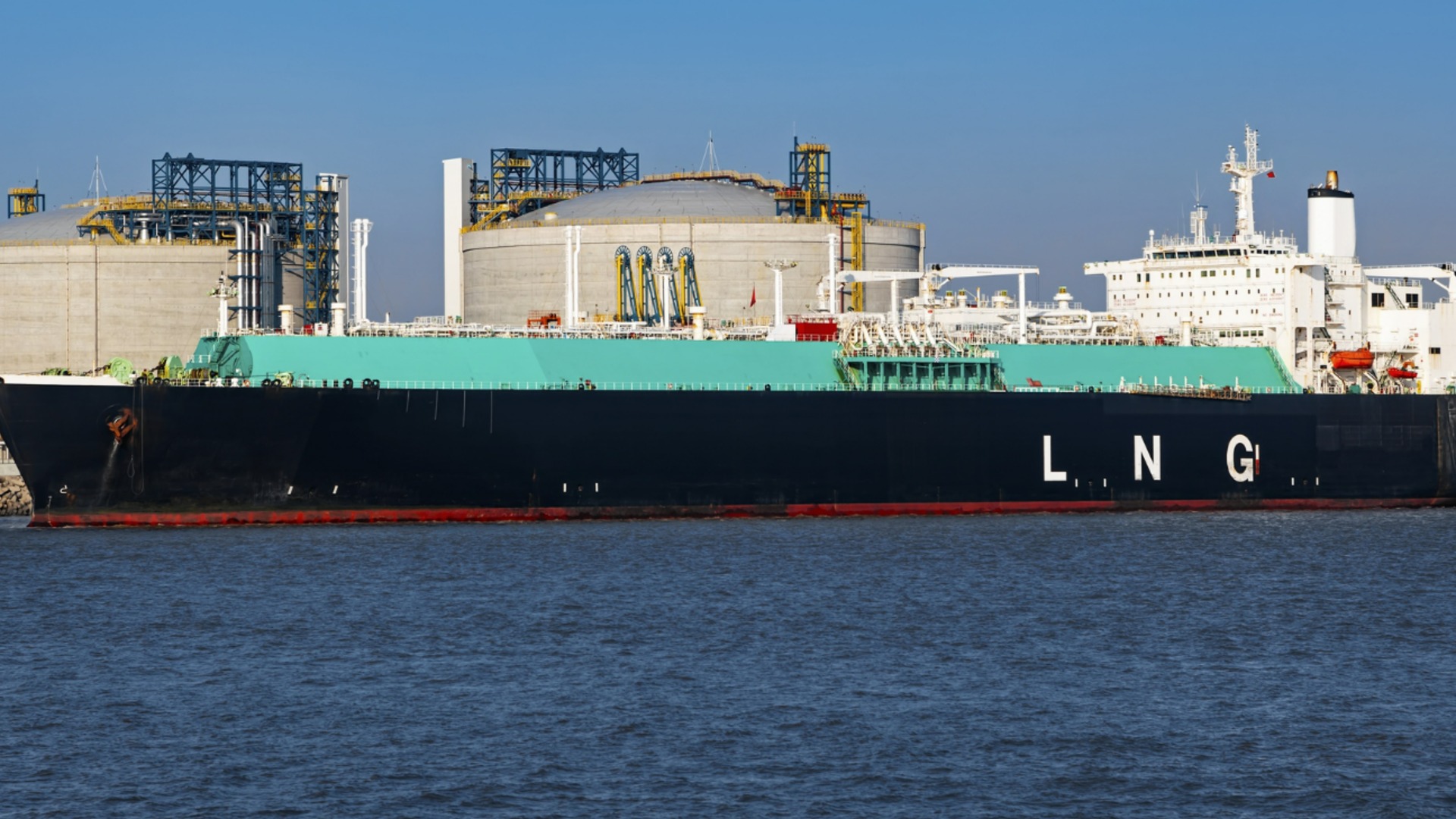
The pivot away from American supply comes at an awkward moment for the agreement signed by President Donald Trump and European Commission President Ursula von der Leyen. Under the deal, the EU committed to purchasing $750 billion in U.S. energy commodities over three years. However, June data from LSEG reveals that Europe accounted for less than half of U.S. LNG exports, a two-year low driven by a price disparity between the European TTF benchmark and higher rates in Asian markets.
The shortfall leaves the bloc vulnerable. With gas storage levels at a 15-year low due to regional conflicts and supply disruptions from Qatar, analysts warn of potential price spikes. European buyers remain hesitant to lock in long-term contracts with the U.S., fearing a transition from Russian dependency to an over-reliance on Washington. While the EU continues to import pipeline gas from Norway, Algeria, and Azerbaijan, these volumes remain insufficient. Brussels' opposition to new Arctic drilling further limits the potential for local supply, leaving the union trapped between its climate goals and the immediate necessity of securing reliable energy imports.
Comments (0)
No comments yet. Be the first!